
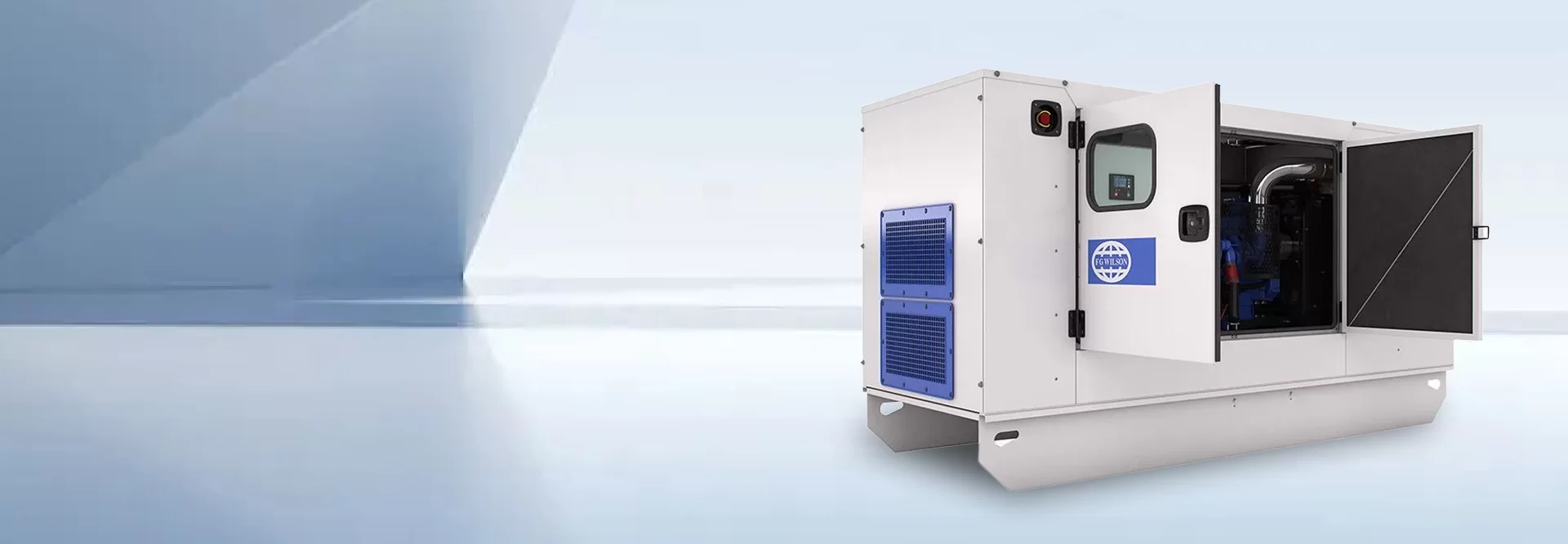
Reliable Industrial generator 40kva Supplier for Prime Power
Securing a consistent power supply is a non-negotiable requirement for industrial operations where every minute of downtime translates into significant financial loss. For EPC contractors and facility managers, sourcing a high-capacity power asset requires a balance between raw output and long-term operational expenditure. This is where a precision-engineered 30kW (37.5kVA) diesel generator becomes essential, providing the necessary headroom for medium-to-large industrial loads without the instability common in consumer-grade equipment.
Unlike standard backup units, these industrial assets are designed for continuous prime power, featuring heavy-duty direct injection engines and advanced voltage regulation. Whether deploying to a remote mining node or integrating into a healthcare facility's emergency grid, the focus remains on structural invulnerability and electrical purity. By prioritizing thermal efficiency and aggressive load-acceptance, these systems ensure that critical infrastructure—from CNC machinery to data servers—remains operational under the most demanding global grid conditions.

Engineering Robustness for Continuous Industrial Prime Power Operations
The architecture of a professional 30kW diesel generator is centered around a heavy-duty direct injection engine, specifically tuned for extreme durability. In industrial settings, the primary challenge is not just generating power, but maintaining that power under erratic load conditions. This unit employs a calibrated combustion system that optimizes diesel consumption while maximizing torque, effectively reducing the overall OPEX for enterprise fleets operating in 24/7 environments.
Beyond the engine, the electrical output is stabilized by a brushless alternator paired with a rapid-response Automatic Voltage Regulation (AVR) system. This configuration is critical for protecting sensitive electronic assets. By eradicating voltage spikes and frequency drops, the system provides a "flatline" output that prevents catastrophic failures in automated robotics and communication networks. The result is a power source that mimics the stability of a primary utility grid, even in completely off-grid locations.
- Thermal Stability: Advanced industrial cooling matrices prevent thermal throttling during exhaustive operation.
- Structural Integrity: Thick-gauge galvanized steel frames protect against vibration and corrosive dust.
- Environmental Protection: Electrostatic powder-coated canopies ensure deployability in offshore or torrential rain conditions.

Critical Performance Metrics and Electrical Stability for Sensitive Infrastructure
For B2B procurement, the value of a power system is measured by its Mean Time Between Failures (MTBF). This generator utilizes heavy-duty cast components and precision manufacturing to reduce internal friction, which exponentially extends the unit's lifecycle. The integration of a SCADA-compatible control panel allows engineers to perform centralized real-time monitoring of voltage, current, oil pressure, and coolant thermals, ensuring that anomalies are isolated before they lead to system failure.
A defining characteristic of this asset is its aggressive load-acceptance capability. Industrial chillers, high-volume fluid pumps, and heavy induction motors create massive inrush currents upon startup. While lightweight generators often suffer voltage collapse during these peaks, this industrial unit is engineered to absorb sudden torque demands without tripping thermal breakers. This makes it the premier choice for mission-critical backup where immediate, full-load availability is mandatory.
Furthermore, acoustic damping is treated as a core engineering requirement rather than an afterthought. High-density soundproof materials ensure that the unit complies with strict urban noise ordinances, allowing it to be deployed in corporate campuses or hospitals without disrupting the surrounding environment. Vibration-isolated mounts further reduce structural resonance, protecting the installation site from mechanical fatigue.
Strategic Application Scenarios and B2B Deployment Logic
Identifying the correct application for a 30kW unit involves analyzing the specific power profile of the facility. In telecommunications, these units anchor remote base stations, where grid independence is the only way to ensure network uptime. In the construction sector, they provide decentralized macro-power for heavy excavation equipment and temporary site offices, moving easily via skid-mounted or towable platforms.
For healthcare and data center environments, the generator serves as a critical insurance policy. The ability to integrate with Automatic Transfer Switches (ATS) means the transition from grid to backup power happens in seconds, safeguarding medical life-support devices and server racks from power sags. The modular architecture also streamlines maintenance; oversized access doors allow technicians to complete filter swaps and fluid servicing rapidly, minimizing the Mean Time To Repair (MTTR).
Industrial procurement teams often evaluate these units based on their sustainability benchmarks. With a highly calibrated fuel injection sequence, this solution cuts particulate exhaust to meet global emission standards. This alignment with environmental regulations is essential for securing governmental procurement contracts and fulfilling corporate sustainability mandates in modern industrial zones.
Technical Comparison and Application Suitability Matrix
| Application Type | Load Profile | Critical Requirement | Recommended Configuration |
|---|---|---|---|
| Telecom Hubs | Constant/Low Fluctuating | Long-term Reliability | Silent Canopy + Remote Monitoring |
| Construction Sites | High Inrush/Intermittent | Ruggedness/Mobility | Open Frame + Skid Mount |
| Medical Facilities | Critical/Steady | Zero-Lag Transfer | ATS Integration + Water Cooled |
| Mining Operations | Heavy/Continuous | Dust/Heat Resistance | Industrial Armor + Heavy Duty Cooling |
| Data Centers | Precision/High Density | Voltage Purity (AVR) | Brushless Alternator + SCADA Control |
Evaluating Supplier Capabilities for Long-term Power Infrastructure
When selecting a generator 40kva Supplier, procurement managers must look beyond the initial purchase price and evaluate the total cost of ownership. A true industrial partner provides more than just equipment; they offer turnkey solutions that include precision engineering and rigorous testing. The capability to customize units for specific global grids (50Hz/60Hz) and voltage configurations (400V/230V) is a hallmark of a sophisticated manufacturer.
Quality assurance should be verified through certifications such as ISO9001 and CE. These standards ensure that the components used—from the alternator to the control hub—undergo stringent stress tests. A supplier with deep manufacturing experience can provide OEM and ODM services, allowing the equipment to be tailored to specific footprint constraints or unique environmental challenges, such as salt-rich coastal air or high-altitude mining zones.
Finally, post-purchase support is the most critical factor for industrial assets. A reliable partner ensures that the modular design of the generator simplifies fleet maintenance. By providing clear service intervals and accessible telemetry data, the supplier helps the end-user maintain peak performance and avoid the catastrophic costs associated with unexpected system failure in process-heavy businesses.
Future Trends in Industrial Power Generation and Procurement
The trajectory of industrial power is moving toward intelligent grid synchronization and enhanced fuel efficiency. Modern enterprise users are increasingly demanding SCADA-compatible systems that allow for unified fleet management. The ability to monitor multiple units across different geographical nodes from a single dashboard reduces the need for on-site technicians and allows for predictive maintenance based on real-time telemetry.
Sustainability is also driving a shift toward cleaner combustion technologies. The next generation of diesel generators focuses on higher thermal efficiency to slash diesel expenditures and reduce the carbon footprint of remote operations. This trend is particularly evident in large-scale agricultural processing and logistics hubs, where energy costs represent a significant portion of the operational budget.
As industries move toward more automated robotics and AI-driven manufacturing, the demand for pure sine-wave stability will grow. Future procurement will likely prioritize units that can handle the complex harmonic distortions created by high-frequency variable speed drives, cementing the need for high-end AVR systems and brushless alternators as standard industrial requirements.
Frequently Asked Questions About Industrial Diesel Power
What applications is a 30kW diesel generator suitable for?
A heavy-duty 30kW unit is strictly utilized for large-scale B2B applications including industrial factories, telecommunication hubs, mining camps, and critical backup for IT infrastructure where grid failure costs are substantial.
Can a 30kW diesel generator run heavy commercial equipment?
Yes. Delivering true prime power, it supports heavy manufacturing loads, central HVAC plants, automated robotics, and multi-node server racks simultaneously, adapting instantly to high starting currents.
Is a 30kW diesel generator easy to transport?
Absolutely. Designed as a rugged, skid-mounted or towable platform, this industrial asset can rapidly mobilize alongside heavy machinery for decentralized power at excavation or temporary commercial sites.
How do I maintain a 30kW diesel generator for long service life?
Engineered for ease of service, technicians should follow standard 500-hour service intervals for filter swaps and fluid checks, utilizing the digital telemetry panels for proactive alerts.
Why choose a diesel generator instead of a gasoline model for industry?
Industrial buyers require the massive torque, continuous 24/7 prime load capacity, thermal endurance, and drastically lower OPEX fuel economy that only an industrial diesel powertrain can provide.
Does the 30kW unit comply with urban noise regulations?
Yes, the high-density soundproof canopy and vibration-isolated mounts significantly minimize decibel output, ensuring compliance with strict urban noise ordinances for corporate or hospital zones.
Technical References and Industry Standards
- ISO Standards for Electrical Equipment
- IEEE Power & Energy Society Guidelines
- CE Marking and Conformity Requirements
- Environmental Protection Agency Diesel Emission Standards
Ready to secure continuous, industrial-grade power for your facility? Partner with our trusted manufacturing hub for B2B heavy equipment solutions. We offer factory-direct customization, rigorous CE-certified quality control, and aggressive volume pricing tailored to your procurement standards.
Related Industrial Power Solutions


