
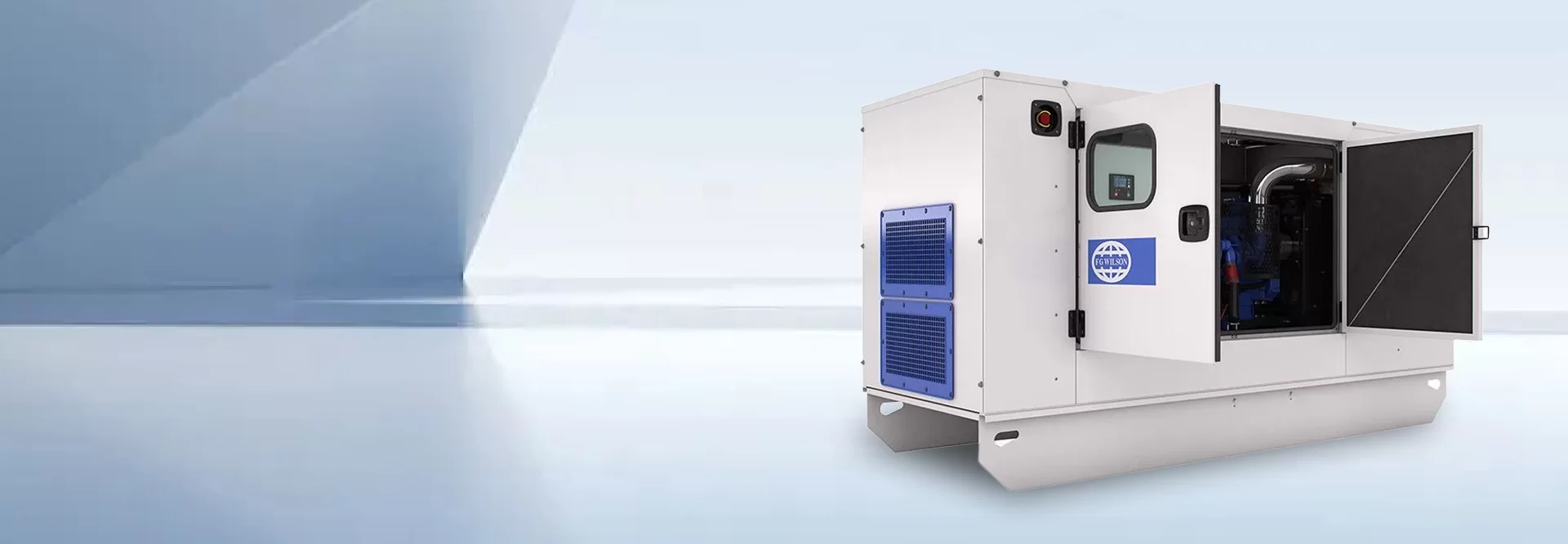

Securing a reliable 500kW power source is a critical decision for industrial operations, data centers, and large-scale construction sites. At this capacity, the balance between power density, fuel economy, and operational uptime becomes the primary driver for business continuity. This guide analyzes the technical requirements and procurement considerations for those seeking a 500 kilowatt generator Supplier to ensure the selected system matches the actual load profile of the facility.
In B2B procurement, the focus often shifts from initial purchase price to long-term reliability. For heavy-duty applications, the choice between open-frame and enclosed systems depends heavily on the installation environment and noise regulations. Understanding how high-torque diesel engines integrate with precision alternators allows engineers to minimize voltage fluctuations that could otherwise damage sensitive industrial machinery or medical equipment.
Readers will gain insights into the specific technical trade-offs of open-type diesel generators, including their superior heat dissipation and reduced maintenance downtime. We will explore the critical evaluation criteria—from AVR precision to frame durability—providing a professional framework for comparing equipment specifications and selecting a partner capable of delivering turnkey power solutions.
Critical Requirements for High-Capacity Power Generation
High-capacity diesel generation, particularly in the 500kW range, requires a sophisticated understanding of load dynamics. Industrial environments rarely maintain a steady state; instead, they experience "step loads" where large motors or HVAC systems trigger sudden spikes in demand. A robust system must be capable of absorbing these transients without significant frequency drops. This requires a high-torque engine paired with an electronic governor and a high-precision Automatic Voltage Regulator (AVR) to maintain stability. Furthermore, the physical environment—whether it is a dusty construction site or a temperature-controlled plant room—dictates the cooling strategy and chassis material. Reinforced steel frames are essential to mitigate vibration-induced fatigue, which is a common failure point in lower-quality units. By focusing on these engineering fundamentals, operators can ensure that their backup or primary power source provides uninterrupted service under the most demanding operational conditions.
Evaluating 500kW Diesel Power Systems
When analyzing high-output diesel generators, it is essential to look beyond the nameplate capacity. The real value lies in the system's ability to operate continuously at peak load while maintaining efficiency and safety. The following sections detail the seven core dimensions that define the performance and value of industrial power systems.
Open Frame Architecture Advantages
Open-type generators eliminate the soundproof canopy, which is a strategic choice for installations in dedicated power rooms or remote sites where noise is not a constraint. This architecture significantly lowers the initial capital expenditure and facilitates immediate access to all internal components. Dianbida Power Equipment utilizes reinforced heavy-duty steel frames to ensure that the open structure does not compromise the mechanical stability of the engine and alternator assembly.
| Feature | Open Type Benefit | Enclosed Type Trade-off | Buyer Consideration |
|---|---|---|---|
| Initial Cost | Economical / Lower | Premium / Higher | Budget Availability |
| Airflow | Natural/High Volume | Forced/Limited | Ambient Temperature |
| Service Speed | Immediate Access | Canopy Removal Required | Maintenance Window |
| Weight | Lower / Easier Move | Higher / Heavier | Installation Space |
| Noise Level | Higher (Industrial) | Low (Silent) | Local Regulations |
| Cooling Efficiency | Superior Heat Dissipation | Moderate | Continuous Load Duty |
Thermal Management and Cooling
Heat is the primary enemy of engine longevity. In 500kW systems, the amount of thermal energy generated during full-load operation is immense. The open-frame design enhances natural airflow, preventing the "heat soak" effect often found in enclosed units. By optimizing the distance between the radiator and the engine block, these systems ensure that water-cooled or air-cooled mechanisms operate at peak efficiency, reducing the risk of thermal shutdown during prolonged summer operation.
Load Stability and AVR Control
Voltage stability is non-negotiable for powering sensitive electronics. High-precision AVR (Automatic Voltage Regulator) control ensures that the output remains consistent regardless of the load fluctuation. This prevents surges that could lead to equipment failure. Industrial-grade systems are engineered to handle variable loads, making them suitable for irrigation pumps and heavy manufacturing machinery where power demand changes rapidly.
Maintenance Accessibility
Reducing downtime is a core business objective. The open-frame design allows technicians to perform oil checks, filter replacements, and alternator inspections without spending hours dismantling a canopy. This streamlined access translates directly into lower labor costs and faster recovery times during emergency repairs, ensuring that critical operations remain powered with minimal interruption.
Fuel Efficiency in Industrial Use
At the 500kW scale, small improvements in fuel consumption lead to significant annual savings. Modern industrial diesel engines are optimized for low-consumption rates without sacrificing torque. Integrating intelligent digital control panels allows operators to track fuel levels and consumption rates in real-time, enabling more accurate logistics planning for fuel deliveries in remote locations.
Deployment in Harsh Environments
Industrial generators often operate in dusty, high-temperature, or humid areas. The use of reinforced steel and high-grade industrial coatings prevents corrosion and structural degradation. For these environments, the open-frame system is often preferred because it allows for easier cleaning of the alternator and radiator fins, which otherwise accumulate debris and reduce cooling performance.
Total Cost of Ownership Analysis
The value of a power system is measured by the cost per kilowatt-hour over its lifespan. While open-type generators offer the lowest initial purchase cost, their true value lies in reduced operational expenses. Lower maintenance labor hours and superior cooling efficiency contribute to an extended engine lifespan, providing a better return on investment compared to more complex, enclosed alternatives.
FAQ
What is the main difference between open and silent diesel generators?
The primary difference is the presence of a soundproof enclosure. Open-type generators feature the engine and alternator mounted on a steel frame without a canopy. This results in lower costs, easier maintenance access, and better cooling, but higher noise levels. Silent generators use insulated canopies to reduce noise, making them suitable for residential or noise-sensitive areas.
Where should an open-type 500kW generator be installed?
They are best suited for dedicated generator rooms, well-ventilated warehouses, or construction sites where noise restrictions are minimal. It is crucial that the unit is protected from direct rain and snow, either by a building structure or a temporary outdoor shelter, to protect the electrical components from moisture.
Does the open-frame design actually improve engine lifespan?
Yes, generally it does. By enhancing airflow and heat dissipation, the engine is less likely to overheat during continuous high-load operation. Reduced thermal stress on the piston rings, valves, and gaskets typically leads to a longer interval between major overhauls compared to units that struggle with airflow in tight enclosures.
Can these generators handle fluctuating industrial loads?
Yes, these units are specifically engineered for variable loads. By utilizing high-torque diesel engines and precision AVR systems, they can maintain stable voltage and frequency even when heavy machinery, such as irrigation pumps or industrial presses, is cycled on and off.
What is the recommended maintenance schedule for harsh environments?
In dusty or high-temp areas, daily checks of oil and coolant levels are recommended. Air filters should be inspected and cleaned more frequently to prevent engine choking. The open design makes these tasks significantly faster, but consistency is key to preventing critical engine failure.
Are 500kW diesel generators more fuel-efficient than gasoline versions?
Significantly. Diesel engines have higher thermal efficiency and energy density than gasoline engines. For continuous industrial operation, diesel generators provide a much lower cost per kWh and are far more durable for long-term, heavy-duty power generation.
References and further reading
- Industrial Power Systems Engineering Handbook - Diesel Generation Standards
- Guide to Automatic Voltage Regulation (AVR) in High-Capacity Alternators
- Thermal Management Analysis for Open-Frame Industrial Machinery


