Selecting a reliable energy source for small-scale industrial or domestic backup often leads to a critical decision: how to balance compact size with sustainable power output. For many operators, the search for a specialized diesel generator 5kw Supplier is driven by the need for a system that can handle intermittent loads without the footprint of a massive industrial plant.
The demand for 5kW-class diesel units has surged as remote telecommunications and small-scale agribusiness move toward decentralized power. Unlike gasoline alternatives, diesel systems offer superior thermal efficiency and lower operational costs over long durations, making them the preferred choice for critical backup in regions with unstable grid infrastructure.
Understanding the technical trade-offs between portable and stationary configurations is essential for maximizing equipment lifespan. This analysis explores the selection criteria, operational efficiencies, and strategic sourcing of low-capacity diesel power systems.


Low-capacity diesel generators, specifically those in the 5kW to 20kW range, bridge the gap between small portable gasoline units and heavy-duty industrial plants. These systems are engineered for "Prime Power" or "Standby Power," providing a stable voltage frequency for sensitive electronics and mechanical pumps.
For procurement officers, the value of a specialized diesel generator 5kw Supplier lies in the ability to source units that avoid "over-sizing," which leads to fuel inefficiency and "wet stacking"—a condition where unburnt fuel accumulates in the exhaust due to low loading.
The core of a 5kW diesel system is the engine-alternator pairing. At this scale, air-cooled engines are common for portability, but liquid-cooled options are preferred for continuous operation in high-ambient temperatures. The alternator must be rated for the specific duty cycle of the application, ensuring that the Total Harmonic Distortion (THD) remains low enough to protect digital controllers.
Durability is achieved through the use of heavy-duty cast iron blocks and precision-machined components. In the context of global B2B supply, compliance with ISO and CE standards is not merely a legal requirement but a benchmark for safety, ensuring the unit can withstand voltage surges and overload conditions without catastrophic failure.
Modern units also integrate digital control panels. These interfaces allow operators to monitor oil pressure, coolant temperature, and fuel levels in real-time, reducing the risk of human error during manual operation and simplifying the maintenance schedule for remote sites.
Fuel economy is the primary operational expense (OPEX) for any generator user. Diesel engines are inherently more efficient than petrol engines at converting chemical energy into mechanical work, but this efficiency is highly dependent on the load factor. Operating a generator at 70-80% of its rated capacity typically yields the lowest fuel consumption per kilowatt-hour.
The strategic value of a compact diesel system is found in its energy density; the ability to provide consistent, high-torque power in a footprint that allows for rapid deployment and low logistical overhead.
Dianbida Power Equipment focuses on optimizing this balance by utilizing advanced fuel injection systems and digital governors. By stabilizing the engine speed regardless of load fluctuations, these units prevent frequency drift, which is critical for applications like telecommunications backup or medical equipment.
Evaluating a generator's performance requires looking beyond the maximum rated output. The "True Efficiency" is measured by how the unit handles transient loads—the sudden spike in power demand when a motor starts. A high-quality unit can absorb these spikes without a significant drop in voltage or frequency.
When comparing different capacities, we observe a relative index of stability and fuel economy. While larger units offer more raw power, the 5kW to 20kW range often provides the best agility for portable and off-grid applications.
In extreme environments, such as the desert regions of the Middle East or the humid coastlines of Southeast Asia, standard generators often fail due to overheating or corrosion. Adapting a system involves enhancing the air filtration to block fine dust and implementing oversized cooling radiators to handle ambient temperatures exceeding 45°C.
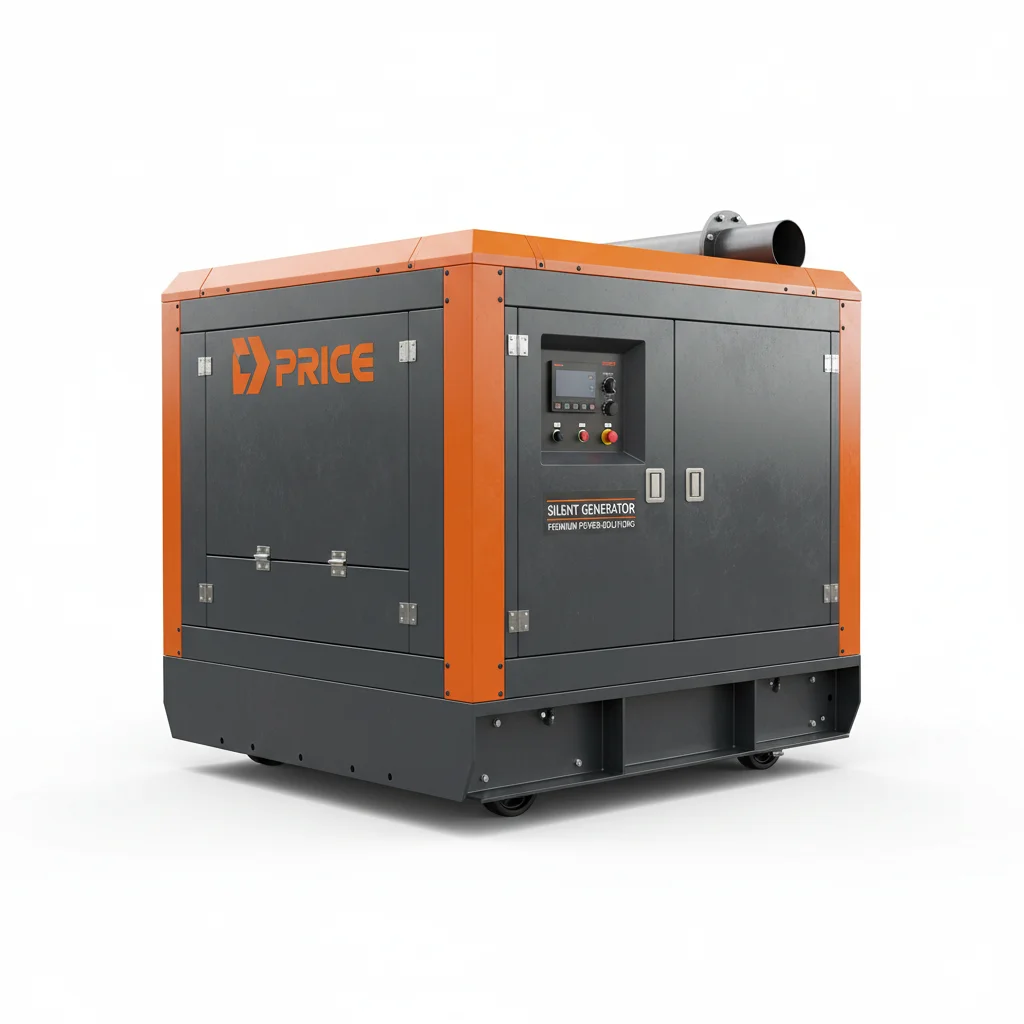
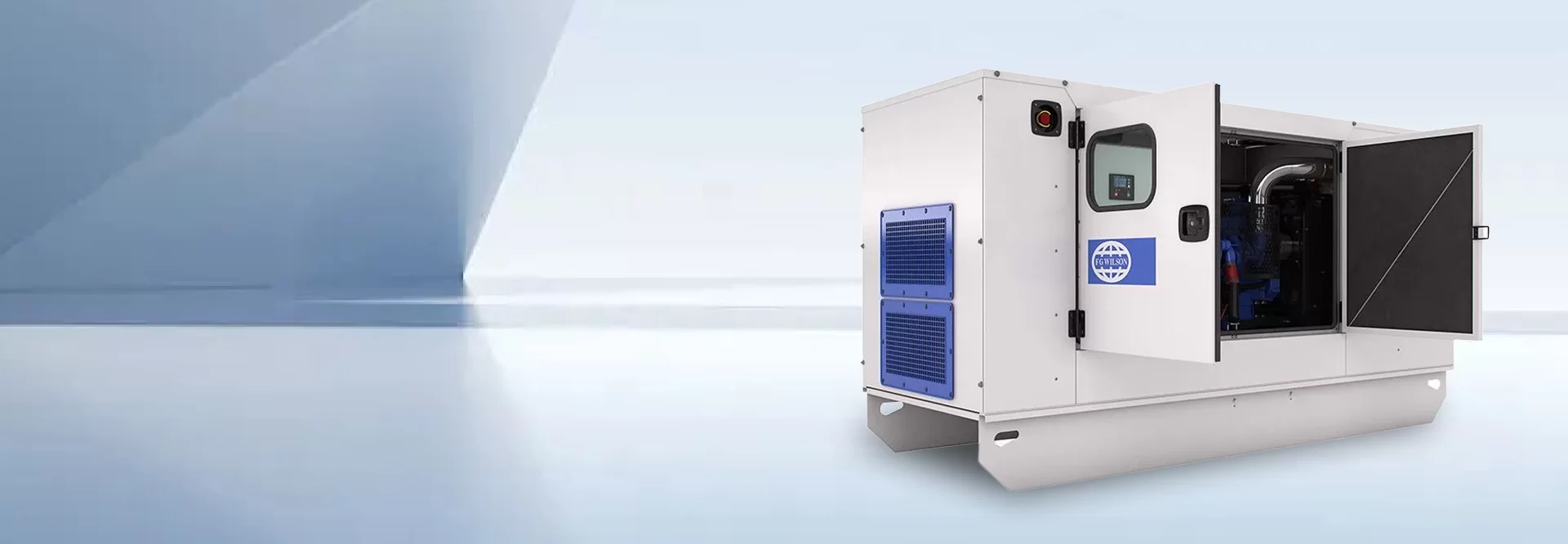
For urban installations, noise pollution is the primary constraint. Silent diesel generator sets utilize sound-attenuating enclosures and vibration-damping mounts to meet strict municipal regulations. This makes them suitable for luxury resorts or city-center data centers where uninterrupted power is required without disturbing the surrounding environment.
The industry is shifting toward hybrid energy systems, where diesel generators act as the "firming" power for solar photovoltaic (PV) and battery storage. In this configuration, the diesel unit only kicks in during peak loads or extended periods of low sunlight, drastically reducing fuel logistics costs and carbon emissions.
This requires an intelligent parallel operation solution. By synchronizing the generator with an inverter-based system, the engine can operate at its most efficient load point, while the batteries handle the rapid, small-scale transients. This synergy extends the engine's service life by reducing the number of start-stop cycles.
For B2B distributors, providing a system that is "Hybrid-Ready" is becoming a competitive advantage. The ability to integrate an Automatic Mains Failure (AMF) switch and a smart controller ensures that the transition between grid, solar, and diesel is seamless and transparent to the end-user.
Procuring the right system involves a trade-off between initial capital expenditure (CAPEX) and long-term operational expenditure (OPEX). A cheaper unit often carries a higher cost of ownership due to frequent maintenance and higher fuel consumption.
Professional buyers should prioritize the "Total Cost of Ownership" (TCO) model. This includes evaluating the availability of spare parts, the ease of service access, and the supplier's ability to provide multilingual technical support and training for local operators.
The following framework provides a relative comparison of selection factors based on different deployment priorities, helping stakeholders align their technical requirements with the appropriate product configuration.
| Priority Factor | Portable Solution | Silent/Canopy Set | Industrial Fixed |
|---|---|---|---|
| Mobility Need | Critical / High | Moderate | Low / Stationary |
| Noise Sensitivity | Low (Open Frame) | Critical / Low dB | Moderate (Enclosed) |
| Duty Cycle | Intermittent | Standby / Prime | Continuous / Prime |
| Env. Protection | Basic / Weatherproof | High / Sealed | Custom / Industrial |
| Maintenance Ease | Very High | High | Moderate (Scheduled) |
| Initial Cost | Low to Moderate | Moderate to High | High CAPEX |
The lifespan varies based on maintenance and load profiles. A well-maintained industrial-grade unit can operate for 10,000 to 20,000 hours before requiring a major engine overhaul. Regular oil changes, filter replacements, and operating the unit at 70-80% capacity are critical to prevent premature wear and carbon buildup.
Start by calculating the total wattage of all essential devices. Add a 20% safety margin to account for peak startup currents (inrush current) of motors or compressors. If your combined load is under 4kW, a 5kW unit is typically sufficient. If you have heavy inductive loads, you may need to step up to a 10kW or 15kW unit.
Diesel offers higher thermal efficiency, meaning more power per liter of fuel. Diesel fuel is also less volatile and safer to store in large quantities. From a B2B perspective, diesel engines are built with more robust components, offering significantly longer service intervals and better durability under continuous load compared to gasoline engines.
It depends on the household's energy profile. A 5kW unit can easily power lighting, refrigeration, internet, and basic electronics. However, running high-power appliances like central air conditioning or electric water heaters simultaneously may overload the system. For full-home backup including HVAC, a larger industrial diesel generator set is recommended.
Wet stacking occurs when a diesel engine runs under a light load for too long, preventing the cylinder temperature from reaching the point where fuel is fully combusted. This leads to unburnt fuel leaking into the exhaust. To avoid this, ensure the generator is loaded to at least 30-50% of its capacity or perform a periodic "load bank" test to clear the system.
Look for a supplier that offers CE and ISO certifications, OEM flexibility, and a proven track record of global shipping. A reliable supplier should provide detailed technical manuals, offer a flexible MOQ to test quality, and have a clear lead time for wholesale fulfillment. Direct-from-factory sourcing typically provides the best balance of pricing and customization.
The transition toward decentralized power has made the 5kW diesel generator a cornerstone for critical small-scale infrastructure. Whether deployed in an African data center or a Southeast Asian resort, the priority remains the same: achieving a balance between fuel economy, noise control, and absolute reliability.
As the industry moves toward hybrid microgrids, the role of the diesel generator is evolving from a sole power source to a strategic backup component. By partnering with an experienced supplier like Dianbida Power Equipment, businesses can ensure their power infrastructure is not only sufficient for today's needs but adaptable to the energy transitions of tomorrow.