
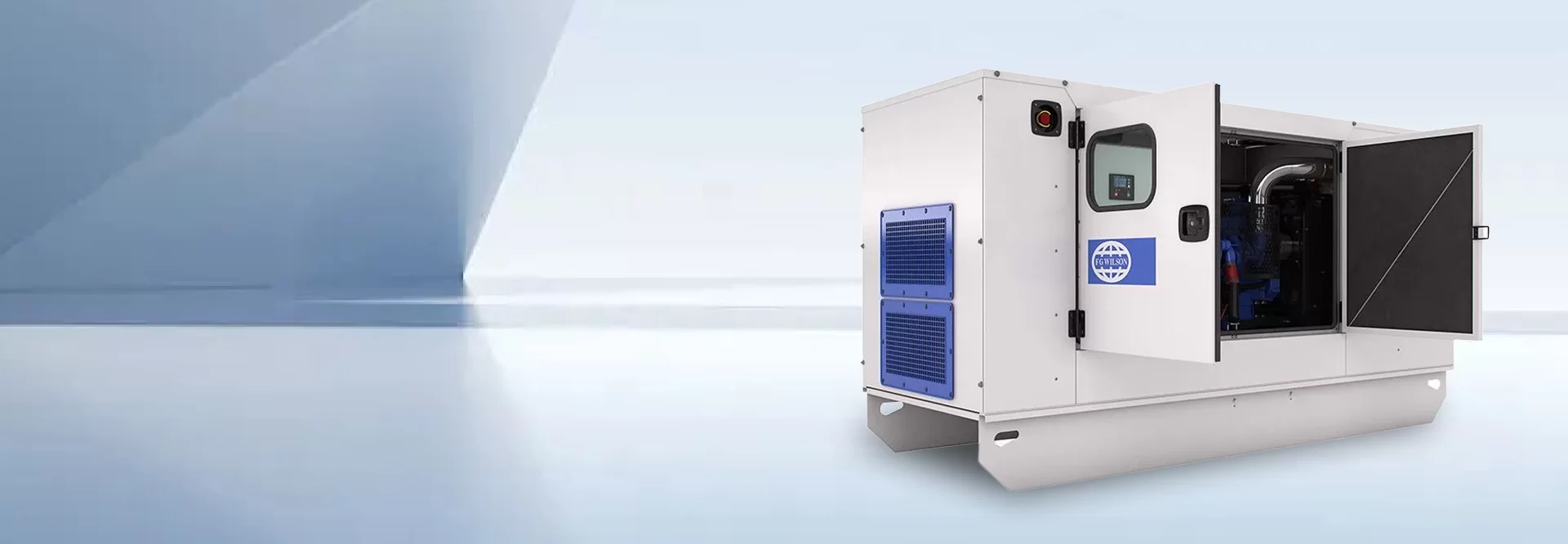

Ensuring an uninterrupted power supply for residential properties has transitioned from a luxury to a necessity, especially in regions prone to grid instability or severe weather. A high-quality standby system provides an immediate fail-safe, protecting sensitive electronics and maintaining essential living conditions. Finding a reliable diesel standby home generators Supplier involves understanding not just the equipment, but the integration of power management into the home infrastructure.
For many homeowners and estate managers, the primary concern is the balance between operational reliability and long-term maintenance. Diesel-powered units are often preferred for their superior torque and fuel stability compared to gasoline alternatives. This article analyzes the technical requirements for residential backup power, focusing on how to evaluate equipment specifications to ensure the system can handle the specific electrical loads of a modern household without failure.
Readers will explore the critical factors of capacity planning, the role of automatic switching technology, and the importance of CE certifications in ensuring safety. By focusing on procurement criteria and technical benchmarks, this guide provides a framework for choosing a power partner capable of delivering a turnkey solution that minimizes downtime and maximizes return on investment through energy efficiency.
Evaluating Backup Power for Residential Use
The fundamental goal of a residential standby system is to provide a seamless transition from utility power to independent generation. Unlike portable units, standby systems are permanently installed and integrated into the electrical panel via a transfer switch. The technical foundation of these systems relies on a heavy-duty diesel engine coupled with a high-efficiency alternator. For those researching diesel standby home generators Supplier options, it is essential to recognize that residential needs differ from industrial ones; while the core technology is similar, the focus shifts toward noise reduction, emission compliance, and ease of operation. A professional system must handle "surge loads"—the momentary spike in power required to start air conditioners or pumps—without causing a voltage drop that could damage home appliances. This requires precise governor control and robust alternator winding to maintain a stable frequency, ensuring that the delivered electricity is as clean as the utility grid.
Selection Guide for Home Standby Systems
Selecting the right backup power solution requires a detailed audit of the property's energy profile and the environmental conditions of the installation site. The following analysis breaks down the seven primary dimensions of evaluation for B2B and high-end residential procurement.
Capacity Calculation
Determining the required kilowatt (kW) rating is the first step. Users must distinguish between "running watts" and "starting watts." A system that is undersized will trigger overload protections during peak demand, while an oversized unit leads to "wet stacking"—a condition where the engine does not reach operating temperature, causing unburnt fuel to accumulate in the exhaust. Proper sizing ensures optimal fuel combustion and prolongs the engine's lifespan.
| Load Type | Power Demand | Critical Risk | Evaluation Metric |
|---|---|---|---|
| HVAC Systems | High Surge | Voltage Drop | Starting kVA |
| Refrigeration | Medium Constant | Compressor Fail | Steady-state kW |
| Lighting/IT | Low Constant | Frequency Noise | THD Percentage |
| Water Pumps | High Initial | Circuit Trip | Peak Load Amp |
| Electric Vehicles | Very High | Grid Overload | Maximum Capacity |
| Security Systems | Minimal | Downtime | Instant Response |
Fuel Efficiency and OPEX
Operating expenses (OPEX) are primarily driven by fuel consumption. Modern diesel engines utilize optimized combustion chambers to maximize kW per liter. When evaluating a manufacturer, check for fuel economy data under varying load percentages (e.g., 50%, 75%, 100%). High-efficiency units reduce the frequency of refueling and lower the overall carbon footprint, making them a more sustainable long-term investment for estate management.
Automatic Transfer Switches
The Automatic Transfer Switch (ATS) is the "brain" of the standby system. It monitors utility voltage and automatically signals the generator to start when power fails. A high-quality ATS should offer adjustable time delays to prevent the generator from starting during momentary flickers, and it must be rated for the full amperage of the home's main service to prevent overheating during long-term outages.
Sound Attenuation Needs
In residential areas, noise pollution is a critical constraint. Sound-attenuated enclosures (silent canopies) use acoustic foam and airflow baffles to reduce decibel levels. Buyers should look for units that offer customized canopy options, ensuring the equipment meets local noise ordinances without compromising the engine's cooling efficiency, which is vital for continuous operation in warm climates.
Installation Site Requirements
Placement affects both performance and safety. Generators must be installed on a level concrete pad with adequate clearance for airflow and exhaust ventilation. Proximity to the fuel source and the main electrical panel is also key to reducing installation costs. Proper site planning prevents the intake of exhaust fumes into the living space and ensures easy access for technicians during routine service.
Compliance and Certification
Safety is non-negotiable. CE Certification indicates that the equipment meets rigorous European health, safety, and environmental protection standards. This certification ensures that the electrical components are insulated against shorts and that the mechanical systems have failsafe protections, such as automated low-oil pressure shutdowns and overload alarms, which are standard in professional-grade units.
Maintenance Life Cycle
The longevity of a backup system depends on a strict maintenance schedule. This includes periodic oil changes, filter replacements, and "exercise" runs to ensure the battery remains charged and the engine is lubricated. Systems designed for easy maintenance—featuring modular component placement and accessible service doors—significantly reduce labor costs and minimize the risk of failure during an actual power outage.
FAQ
What is the main advantage of diesel over gasoline for home backup?
Diesel fuel is significantly more stable for long-term storage than gasoline and possesses a higher energy density, allowing for longer run times per gallon. Additionally, diesel engines are generally more durable and capable of handling heavier inductive loads, such as large air conditioning units, making them more reliable for full-home backup applications.
How often should a standby generator be tested?
Most professional systems are programmed to perform a weekly "exercise" run. This process starts the engine for a short period to circulate oil, check battery health, and ensure the fuel system is functioning. A more comprehensive load test should be performed semi-annually by a technician to verify the system can handle its rated capacity.
Can a standby generator run a whole house or just critical loads?
Both configurations are possible. A "whole-house" system is sized to cover every circuit in the building. A "critical-load" system focuses on essential items like refrigeration, security, and medical equipment. The choice depends on the user's budget and the specific kW capacity of the unit procured from the manufacturer.
What does CE Certification mean for a generator buyer?
CE Certification confirms that the product has been designed to meet essential safety and environmental requirements. For the buyer, this means the equipment has undergone rigorous testing for electrical safety, noise emissions, and mechanical stability, reducing the risk of operational hazards in a residential environment.
How do I choose the right size for my property?
The best approach is to perform a load calculation. List all appliances, their running wattage, and their starting wattage. Total these figures and add a 20% safety margin. A professional service team can assist in this process to ensure the unit is neither undersized (causing failure) nor oversized (causing engine inefficiency).
Are diesel generators too loud for residential neighborhoods?
While raw diesel engines are loud, professional suppliers provide sound-attenuated enclosures. These "silent" canopies use specialized insulation to dampen noise to levels acceptable for urban and suburban areas. Choosing a unit with an ODM customized canopy can further optimize noise reduction based on the specific installation site.
References and further reading
- International Electrotechnical Commission (IEC) standards for residential power systems.
- Guidelines on Diesel Engine Efficiency and Emission Control for B2B Applications.
- European Union CE Marking Directive for Electrical Machinery.
Related Articles