
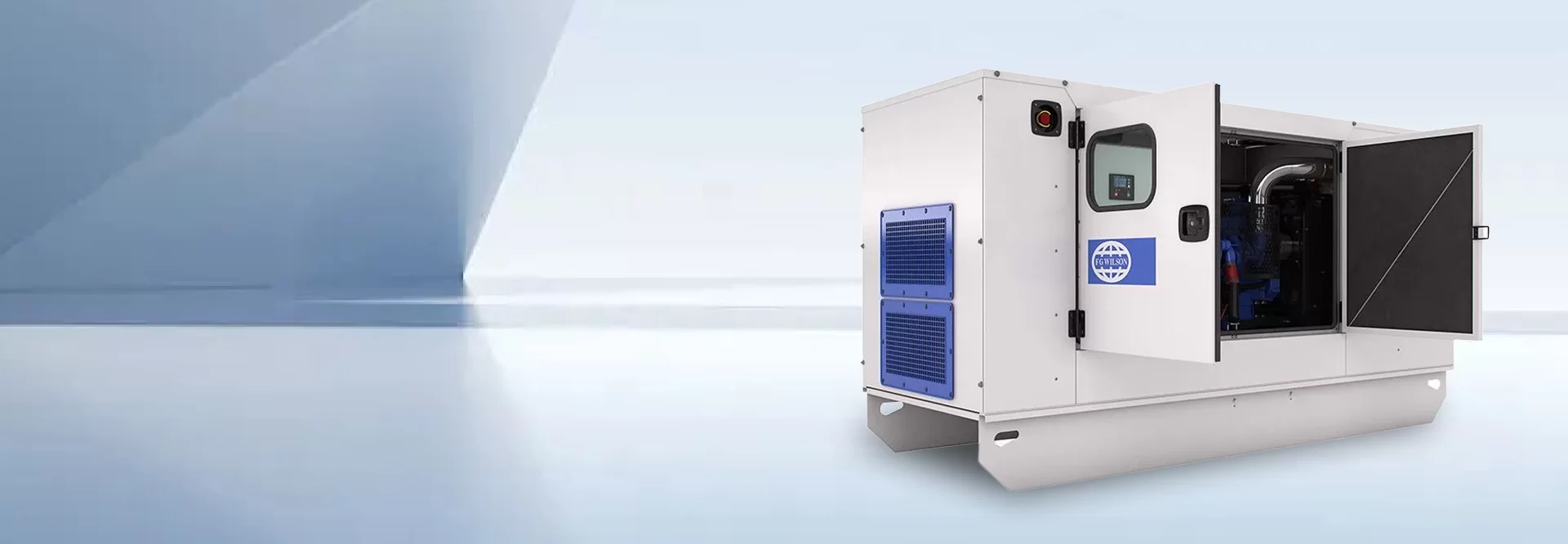

Selecting a reliable power source for industrial operations requires a deep understanding of three-phase electrical systems. Unlike single-phase power, three-phase generators provide a more consistent delivery of electricity, which is essential for driving large motors and heavy industrial equipment without causing significant voltage drops. This article examines the critical factors that influence the selection and investment value of professional power solutions, focusing on technical specifications and operational efficiency.
For businesses in construction, healthcare, and manufacturing, the cost of downtime often far exceeds the initial investment in backup power. Finding a competent generator 3 phase price Supplier involves evaluating not just the sticker price, but the total cost of ownership, including fuel consumption, maintenance intervals, and the durability of internal components under sustained load.
Readers will gain technical insights into Automatic Voltage Regulation (AVR), the differences between air and water cooling in industrial settings, and how to assess a manufacturer's capability to provide turnkey solutions. By mapping technical requirements to commercial goals, project managers can secure a power system that ensures operational continuity while optimizing long-term expenditure.
Commercial Value of 3-Phase Power Systems
Three-phase generators are engineered to deliver power across three separate alternating currents, which allows for more efficient energy transmission and the ability to power high-capacity industrial loads. From a commercial perspective, the primary value lies in the reduction of electrical waste and the ability to support heavy-start equipment such as compressors and large pumps. In environments where grid power is unstable or unavailable, such as remote construction sites or data centers, these systems serve as the primary backbone of production. The integration of high-performance diesel engines ensures that the power output remains stable even when the load fluctuates, protecting sensitive electronics and preventing costly equipment failure. Consequently, the strategic selection of a power system is not merely a procurement task but a risk management decision that directly impacts a company's bottom line and production reliability.
Industrial Procurement & Technical Evaluation
When evaluating power equipment, technical specifications must be aligned with the actual application environment. The following analysis breaks down the critical components that determine the performance and longevity of a 3-phase diesel generator system.
Voltage Stability & AVR Integration
Automatic Voltage Regulation (AVR) is a non-negotiable feature for powering modern industrial equipment. An AVR system continuously monitors the output voltage and makes real-time adjustments to the excitation current, ensuring that the voltage remains within a tight tolerance regardless of load changes. This prevents surges and sags that could otherwise damage sensitive medical devices or servers. In the 30kW diesel generator range, a precision-engineered AVR is what separates industrial-grade equipment from consumer-grade units.
| Technical Feature | Operational Impact | Risk if Absent | Buyer Evaluation |
|---|---|---|---|
| Advanced AVR | Consistent Voltage/Frequency | Electronic Component Failure | Check Response Speed |
| 3-Phase Output | High-Capacity Load Support | Inefficient Motor Operation | Verify Phase Balance |
| Digital Control Panel | Real-time Parameter Tracking | Delayed Fault Detection | Test Alarm Accuracy |
| Water Cooling | Extended Continuous Runtime | Engine Overheating | Verify Radiator Size |
| Soundproof Canopy | Reduced Decibel Levels | Environmental Non-compliance | Check dB Rating |
| Heavy-duty Frame | Structural Integrity | Vibration-induced Wear | Inspect Steel Gauge |
Fuel Efficiency & Operational Costs
Fuel represents the largest ongoing expense in generator operation. Optimized combustion technology is essential for reducing the liters-per-hour ratio without sacrificing power output. For 30kW units, the use of high-performance diesel engines provides a significant advantage over gasoline alternatives, offering better fuel economy and a longer engine lifespan. Buyers should analyze the fuel consumption curve at 50%, 75%, and 100% load to accurately project annual operating costs.
Load Management for Heavy Machinery
Industrial applications often involve high start-up currents from pumps and compressors. A robust generator must be capable of handling these sudden load spikes without stalling or experiencing severe frequency drops. The ability to manage transient loads is a hallmark of professional-grade diesel systems, ensuring that machinery starts smoothly and operates efficiently without interrupting other connected loads on the same three-phase circuit.
Noise Mitigation & Canopy Design
Operational environments in residential or office areas require strict adherence to noise regulations. Soundproof canopies utilizing high-density acoustic foam and weather-resistant steel not only reduce decibel levels but also protect the engine from dust, rain, and external contaminants. A well-designed enclosure ensures that the unit can be placed closer to the point of use without disturbing the surrounding environment.
Cooling Systems for Continuous Duty
The choice between air-cooled and water-cooled systems depends on the duty cycle. For short-term emergency backup, air-cooling may suffice; however, for continuous industrial operation, water-cooled systems are superior. They provide more efficient heat dissipation, allowing the engine to maintain an optimal operating temperature over long periods, which directly correlates to reduced wear and tear on internal components.
Digital Control & Monitoring Systems
Modern power management requires more than simple analog gauges. Digital intelligent control panels provide real-time tracking of oil pressure, coolant temperature, and voltage. The integration of automatic safety alarms ensures that the system shuts down instantly in the event of a critical failure, preventing catastrophic engine damage and reducing the need for constant manual supervision.
Supplier Reliability & Customization
A power partner should offer more than just equipment; they should provide tailored, turnkey solutions. With over 20 years of manufacturing experience and a professional team of engineers and QC specialists, Dianbida Power Equipment specializes in producing a comprehensive range of diesel generators, from silent canopies to advanced parallel systems. The ability to customize configurations based on specific site requirements ensures that the final installation is optimized for the user's specific industrial application.
FAQ
What applications are most suitable for a 30kW 3-phase diesel generator?
A 30kW unit is ideal for small to medium-scale operations, including small factories, commercial shops, agricultural farms, and construction sites. It is particularly effective as a robust emergency backup system for residential properties or small office complexes that require stable power for multiple circuits.
Can a 3-phase generator power sensitive electronic equipment?
Yes, provided the unit is equipped with an Automatic Voltage Regulation (AVR) system. The AVR ensures consistent voltage and frequency, which protects computers, medical devices, and other sensitive electronics from surges or fluctuations that typically occur in lower-quality power sources.
Why is water cooling preferred over air cooling for industrial use?
Water cooling provides superior heat dissipation capabilities. This allows the diesel engine to maintain a stable internal temperature during extended, continuous industrial operation, which reduces thermal stress on the engine and extends the overall service life of the machine.
What are the main advantages of diesel over gasoline for 3-phase power?
Diesel generators offer significantly higher fuel efficiency, longer engine lifespans, and greater durability under heavy industrial loads. Additionally, diesel is generally safer to store in large quantities on industrial sites compared to gasoline.
How often should a 30kW diesel generator be maintained?
Routine maintenance should include regular checks of engine oil levels, filter replacements, and coolant monitoring. The exact frequency depends on the usage hours, but following a modular design for easy access allows for quicker servicing and reduced operational downtime.
Is it possible to use these generators in noise-sensitive areas?
Yes, by selecting models with a soundproof canopy. These enclosures are specifically engineered to reduce operating decibel levels, making them appropriate for deployment near offices, hospitals, or residential neighborhoods without causing noise pollution.
References and further reading
- Industrial Power Systems Engineering Standards for Three-Phase Distribution.
- Guidelines for Diesel Generator Maintenance and Lifecycle Management.
- Comparison of AVR Technologies in Small-to-Medium Industrial Power Units.


