
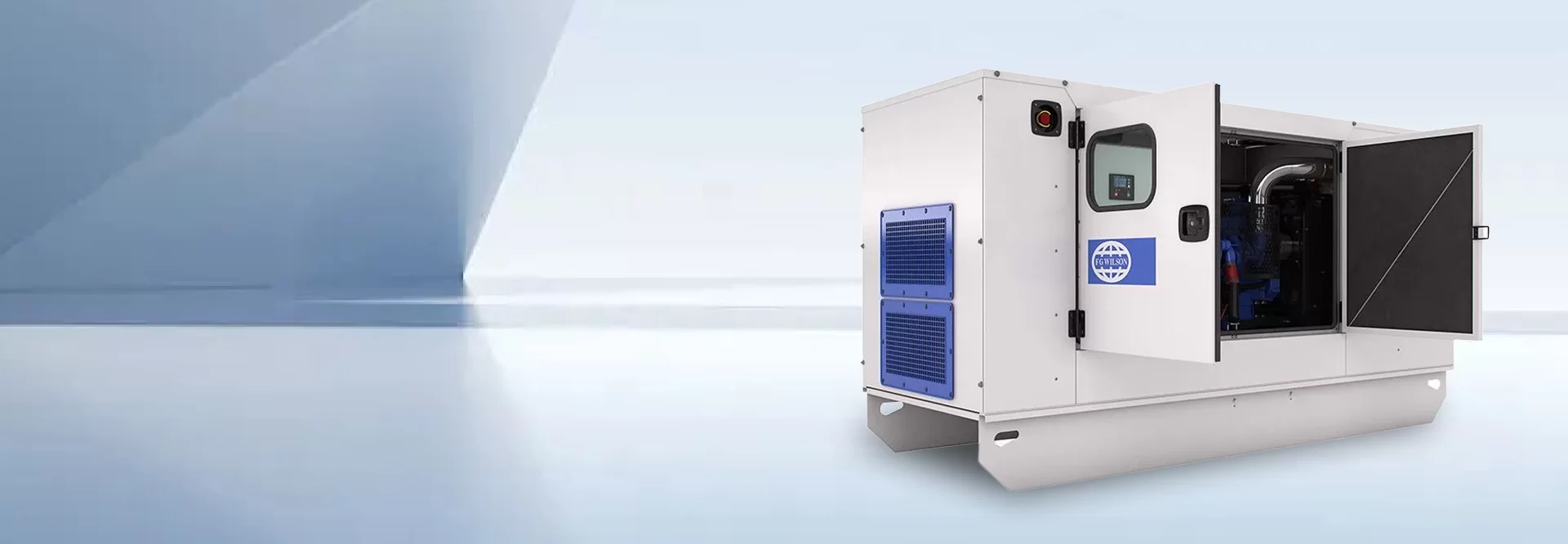
Industrial 75kW Diesel Power Solution chhota generator Supplier
Securing a reliable power source is a critical operational requirement for small-to-medium industrial facilities where grid instability can lead to significant financial loss. The 75kW Diesel Generator represents a strategic intersection of power density and fuel economy, specifically engineered for those seeking a professional-grade energy solution without the footprint of massive industrial plants. By integrating advanced voltage regulation with a ruggedized chassis, this system ensures that sensitive electronics and heavy-duty machinery receive a steady current, regardless of external environmental stressors.
Whether deployed for emergency backup in healthcare settings or as a primary power source for remote construction sites, the balance of operational longevity and intelligent control is paramount. For procurement officers and site engineers, the focus shifts from simple power output to total cost of ownership, making fuel optimization and modular maintenance essential criteria. This technical guide explores how the 75kW diesel unit addresses these specific industrial challenges through precision engineering.

Engineered Stability: The Role of Advanced Voltage Regulation in Industrial Power
In industrial environments, power quality is as important as power quantity. The 75kW diesel generator utilizes a precision-engineered Automatic Voltage Regulator (AVR) system to mitigate the risks of voltage spikes and frequency drifts. These fluctuations can be catastrophic for modern PLC controllers, server racks, and medical diagnostic equipment. By maintaining a consistent energy flow, the system prevents premature component wear and eliminates the risk of sudden system crashes during critical operations.
The synergy between the high-performance diesel engine and the digital intelligent panel allows operators to monitor electrical health in real-time. This level of control is particularly vital for facilities with high starting currents, such as those utilizing large industrial compressors or hydraulic pumps. The unit's ability to handle sudden load surges without significant voltage drops ensures that machinery maintains torque and efficiency during startup cycles, reducing the overall mechanical stress on the electrical infrastructure.

Operational Durability and Thermal Management for Harsh Environments
Reliability in the field depends heavily on how a generator manages heat and external contaminants. This 75kW unit is constructed with a heavy-duty reinforced steel frame and treated with anti-corrosion coatings, making it suitable for deployment in mining sites, desert regions, and coastal areas where salt spray and humidity are prevalent. The architecture is designed to protect the internal combustion components from dust and moisture ingress, extending the mean time between failures (MTBF).
Thermal control is achieved through advanced water-cooling systems, which are superior to air-cooled alternatives for continuous, long-term operation. By maintaining an optimal engine temperature, the system prevents thermal degradation of lubricants and ensures the engine operates within its peak efficiency window. This prevents overheating during extended run-times, which is essential for standby systems in data centers or hospitals where the generator may need to run for several days during a prolonged grid failure.
Strategic Application Scenarios: Matching Power Capacity to Load Demand
Selecting a 75kW capacity is a calculated decision based on the specific energy profile of the site. For agricultural operations, this capacity typically supports a combination of irrigation pumps, cold storage refrigeration, and workshop lighting. In the telecommunications sector, it provides the necessary redundancy for base stations and switching hubs, where uninterrupted power is a non-negotiable requirement for network stability.
Beyond primary power, the unit's acoustic soundproof canopy makes it a viable solution for urban residential zones and office complexes. By significantly reducing decibel levels, it allows for installation in noise-sensitive areas without violating local environmental ordinances. Furthermore, the optional Automatic Transfer Switching (ATS) allows for a seamless transition from grid to generator power, ensuring that critical loads are re-energized within seconds of a detected failure, thereby minimizing downtime and protecting productivity.
Performance Metric Comparison: Standard vs. Premium 75kW Units
| Performance Metric | Standard 75kVA Units | Premium 75kW Generator | Industrial Impact |
|---|---|---|---|
| Fuel Efficiency | Average | High (Optimized) | Lower OpEx |
| Operational Lifespan | Standard | Extended Grade | Reduced Replacement |
| Noise Pollution | High | Ultra-Low | Urban Compliance |
| Maintenance Access | Conventional | Modular Design | Faster Servicing |
| Value Retention | Moderate | High Build | Better Asset Recovery |
Procurement Considerations: Evaluating Total Cost of Ownership
When evaluating a chhota generator Supplier, professional buyers must look beyond the initial purchase price and analyze the total cost of ownership (TCO). Fuel consumption over a five-year period often exceeds the capital expenditure of the unit itself. Therefore, the optimized combustion system in this premium generator, which reduces fuel waste without sacrificing power, provides a significant long-term financial advantage.
Modular maintenance is another key factor in reducing TCO. By designing the unit for easy access to oil filters, coolant reservoirs, and battery terminals, the time required for routine inspections is drastically reduced. This minimizes the risk of costly downtime and ensures that the equipment remains in peak condition year-round. Procurement managers should also verify the availability of remote monitoring options, which allow for the tracking of fuel levels and engine health from a centralized hub, reducing the need for manual site visits.
The Evolution of Power Backup: Trends in Industrial Energy Resilience
The industry is shifting toward "intelligent power," where generators are no longer standalone machines but integrated parts of a smart energy grid. The 75kW diesel generator aligns with this trend by offering digital intelligent panels and potential for parallel system integration. As industrial facilities adopt more energy-efficient machinery, the requirement for generators that can handle dynamic load changes—such as the sudden activation of variable frequency drives (VFDs)—becomes more critical.
Environmental compliance is also driving technical innovation. Modern emission standards require optimized combustion technology to reduce exhaust particulates and NOx emissions. By adopting these standards, companies not only meet legal requirements but also improve the overall health and safety of their operational environments. Looking forward, the integration of hybrid systems—combining diesel reliability with battery storage—will likely be the next step in achieving true energy independence for commercial facilities.
Technical Frequently Asked Questions
What are the primary applications for a 75kW diesel generator?
It is ideal for small-to-medium businesses, agricultural farms, workshops, telecom stations, and light industrial facilities requiring stable standby or primary power.
Can this generator power multiple industrial machines simultaneously?
Yes, it can support multiple devices such as air compressors, refrigeration units, and lighting systems, provided the total load is planned correctly to avoid overloading.
How does the soundproof canopy affect installation?
The soundproof canopy significantly reduces decibel levels, allowing the generator to be installed in noise-sensitive areas like hospitals or residential zones without causing disturbance.
What is the benefit of the water-cooled system over air-cooled?
Water-cooling provides superior heat dissipation, which is critical for continuous, long-term operation and prevents engine overheating in high-temperature environments.
Does it support Automatic Transfer Switching (ATS)?
Yes, ATS is available as an optional feature, allowing the generator to automatically take over the power supply the moment a grid failure is detected.
How often does the 75kW diesel generator require maintenance?
While intervals vary by load, the modular design simplifies routine oil and filter changes. Regular inspections every 250-500 hours are typically recommended for peak efficiency.
Technical References & Industry Standards
- ISO Standards for Diesel Engine Performance
- International Energy Agency - Backup Power Trends
- EPA Emission Standards for Stationary Diesel Engines
- IEC Standards for Voltage Regulation and AVR Systems
Investing in a 75kW diesel generator is about more than just buying equipment; it is about securing the operational continuity of your business. By focusing on technical stability, thermal durability, and long-term fuel efficiency, you can ensure that your facility remains productive regardless of grid reliability. Contact our technical team to determine the exact configuration required for your specific load profile.


