
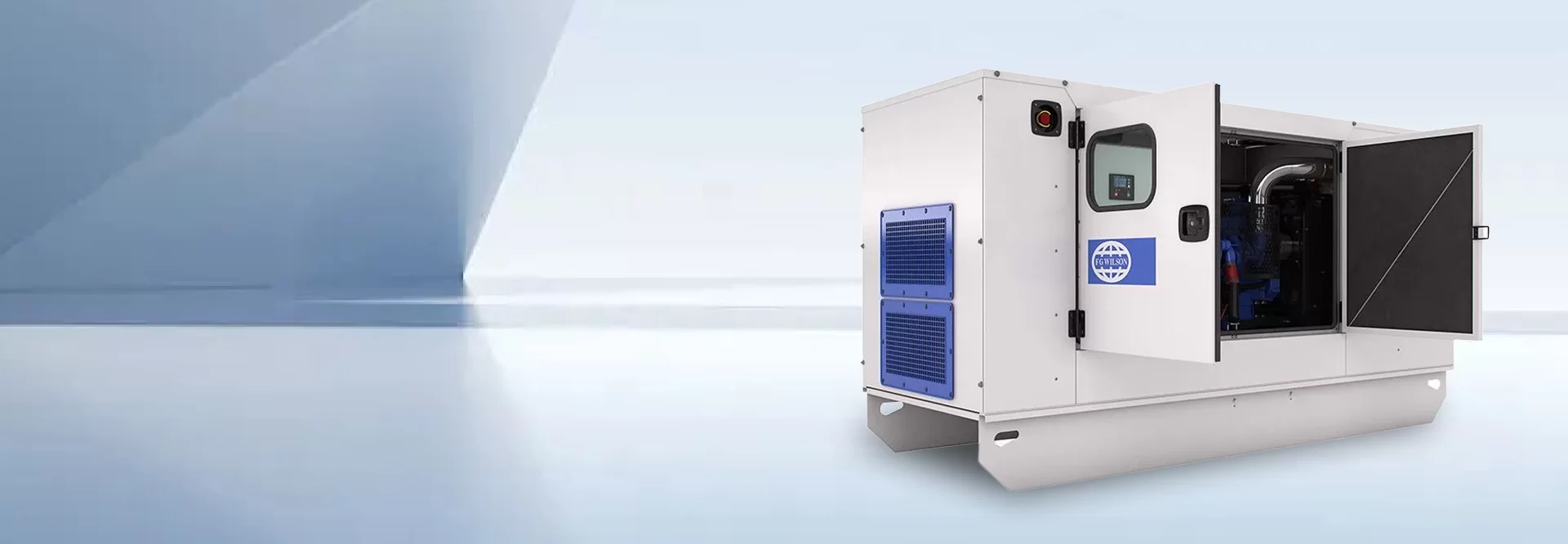

Finding a reliable tailgate generators Supplier is critical for industries operating in off-grid environments where power continuity is not just a convenience, but a safety requirement. These specialized power systems are designed to provide high-capacity electrical output for heavy machinery, remote camps, and critical infrastructure, ensuring that operations remain stable regardless of the local grid's availability.
In sectors such as mining, construction, and emergency healthcare, the demand for robust power generation often exceeds the capabilities of standard consumer units. The challenge lies in balancing fuel efficiency with the massive surge currents required to start heavy inductive loads. For professional procurement officers and site engineers, understanding the nuances of high-voltage output and environmental hardening is essential to avoid costly downtime and equipment failure in the field.
This guide provides an in-depth analysis of the technical requirements and selection criteria for industrial-grade power units. Readers will learn how to evaluate the performance of diesel generators under extreme conditions, the importance of synchronization in multi-unit configurations, and the key indicators of a high-quality manufacturer capable of delivering turnkey power solutions for the most demanding global projects.
Industrial Power Deployment Fundamentals
Industrial power generation differs fundamentally from residential or small commercial backup systems. The primary objective in a heavy-duty setting is "Prime Power" capability—the ability to operate as the sole source of electricity for extended periods without interruption. This requires engines with significant displacement and cooling systems engineered for continuous high-load operation. In the context of tailgate generators Supplier services, the focus is often on the integration of the power plant into a mobile or containerized format, allowing for rapid deployment in remote regions such as African copper mines or Middle Eastern extraction sites.
A critical component of these systems is the alternator, which must be rated for the specific voltage requirements of the industrial equipment. While standard units operate at low voltages, heavy-industry generators often produce direct high-voltage output (such as 6.3kV or 11kV) to eliminate the need for additional step-up transformers, which can be a point of failure and energy loss. The synergy between the diesel engine's torque and the alternator's voltage regulation determines the system's ability to handle "load-step acceptance"—the capacity to maintain frequency and voltage stability when a massive piece of machinery, like a rock crusher, is switched on.
Strategic Sourcing for Heavy-Duty Power Units
Procuring power equipment for industrial use requires a shift from looking at "price per unit" to "total cost of ownership" (TCO). The following dimensions analyze the technical and commercial factors that define a successful power deployment strategy.
Technical Specification Analysis
The core of any power solution is its technical baseline. For large-scale operations, specifications must go beyond simple kVA ratings. Factors such as Prime Power (PRP) and standby capacity must be clearly defined. High-voltage output is particularly vital for reducing transmission losses across large site layouts. According to the technical data from Dianbida Power Equipment, capacities ranging from 1000 kW to 3000 kW are common for mining block loads, utilizing Class H insulation and PT100 sensors to ensure thermal stability.
| Requirement | Critical Factor | Impact on Operation | Buyer's Check |
|---|---|---|---|
| Voltage Stability | AVR Precision | Protects sensitive electronics | Check voltage fluctuation % |
| Load Acceptance | Engine Torque | Prevents system blackout during start | Verify load-step capacity |
| Insulation | VPI Processing | Prevents shorts in humid air | Check for Class H/VPI rating |
| Cooling | Radiator Sizing | Prevents overheating in tropics | Verify ambient temp rating |
| Control | PLC Logic | Automates load sharing | Ask about SCADA integration |
| Fuel System | Common Rail | Optimizes OPEX/Fuel burn | Check fuel consumption curves |
Operating Environment Adaptability
Standard generators often fail in extreme environments due to air filtration issues or overheating. For desert or mining sites, "environmental hardening" is mandatory. This includes dual-stage heavy-duty air filtration to combat abrasive dust and oversized tropical radiators designed for 50°C+ ambient temperatures. Reinforced ISO containers with anti-corrosive coatings further protect the internal components from salt spray or chemical exposure, extending the mechanical lifespan of the unit.
Transient Load Handling Capacity
Heavy inductive loads, such as smelting furnaces or deep-shaft ventilation fans, create massive energy spikes upon startup. A professional power system must handle these transients without a significant drop in frequency. This is achieved through the combination of high-displacement diesel engines and advanced governor controls. Systems engineered for the mining industry are specifically tested for their ability to accept aggressive load-steps, ensuring that the power supply remains "stiff" even under extreme demand.
Smart Grid & PLC Integration
Modern industrial sites rarely rely on a single generator. Instead, they use "paralleling systems" where multiple units work in synchronization. Advanced PLC controllers (such as Deep-Sea or ComAp) allow these units to share the load dynamically. If one unit fails, the others automatically ramp up to prevent a total blackout. Integration with SCADA systems enables remote monitoring of phase harmonics and thermal diagnostics, allowing engineers to perform predictive maintenance before a failure occurs.
Customization for Remote Sites
Turnkey solutions are often required for remote archipelagos or isolated desert regions. This involves integrating the megawatt engine, high-voltage alternator, and step-up transformers into a single ruggedized unit. Such customization ensures that the equipment arrives on-site ready for commissioning, reducing the need for specialized electrical engineering on-site. The ability to customize voltage output (e.g., 6.3kV vs 10.5kV) is a key differentiator for high-end manufacturers.
Lifecycle Maintenance Strategies
The value of a power system is measured by its Mean Time Between Failures (MTBF). To maximize this, a rigorous maintenance schedule is required. Modular designs are preferred as they allow for rapid mechanical overhauls without dismantling the entire system. Predictive maintenance PLCs can isolate faults in real-time, alerting operators to oil pressure drops or coolant leaks, thereby shielding multi-million dollar infrastructure from catastrophic failure.
Supplier Evaluation Criteria
When evaluating a provider, buyers should look beyond the brochure. Key indicators of capability include the existence of a dedicated engineering team, a track record of deploying units in similar extreme climates, and adherence to international standards like ISO 8528 and IEC. A partner who provides localized commissioning and grid-management training offers significantly more value than a simple equipment vendor, as they ensure the system is integrated correctly into the industrial microgrid.
FAQ
What defines a "prime rated" generator compared to a "standby" one?
A prime-rated generator is engineered to operate as the main power source for an unlimited number of hours per year, typically with a variable load. In contrast, a standby generator is intended for emergency use only, operating for a limited duration during a grid failure. For mining or remote industrial sites, prime-rated units are mandatory to ensure continuous operation without engine fatigue.
Why is direct high-voltage output preferred in heavy industry?
Direct high-voltage output (e.g., 6.3kV or 11kV) eliminates the need for external step-up transformers. This reduces energy losses during transmission, lowers the overall footprint of the power station, and removes a potential point of failure. It is specifically designed to drive heavy inductive motor loads, such as large pumps and crushers, more efficiently.
How do I ensure a generator can survive extreme dust and heat?
Buyers should verify that the unit features dual-stage heavy-duty air filtration and oversized radiators. Tropical-rated cooling systems are designed to maintain engine temperature even when the ambient air exceeds 50°C. Additionally, using reinforced ISO containers with anti-corrosive industrial coatings protects the alternator and control systems from abrasive particles and environmental degradation.
What is the role of a PLC in a multi-generator setup?
The Programmable Logic Controller (PLC) manages the synchronization and load-sharing between multiple units. It ensures that each generator operates at its most efficient load point and automatically adjusts output when the site's demand spikes. This prevents any single unit from being overloaded and allows for seamless integration into an industrial microgrid.
What are the typical lead times for customized high-voltage systems?
Due to the precision required for custom alternator winding and rigorous Factory Acceptance Testing (FAT), customized high-voltage systems typically have a production cycle of 45 to 90 days. This timeframe ensures that each megawatt project is stress-tested for stability and compliance with international electrical standards before deployment.
How should I evaluate a potential power equipment partner?
Evaluate the partner's technical depth by asking about their experience with specific load types (inductive vs resistive) and their ability to provide remote SCADA monitoring. A qualified supplier should offer comprehensive engineering support, including switchgear design and on-site commissioning, rather than just delivering a piece of machinery.
References and further reading
- ISO 8528: Reciprocating internal combustion engine driven alternating current generating sets.
- IEC Standard for High Voltage Alternator Insulation and Performance.
- Industrial Microgrid Design Principles for Remote Mining Operations.
Related Articles