
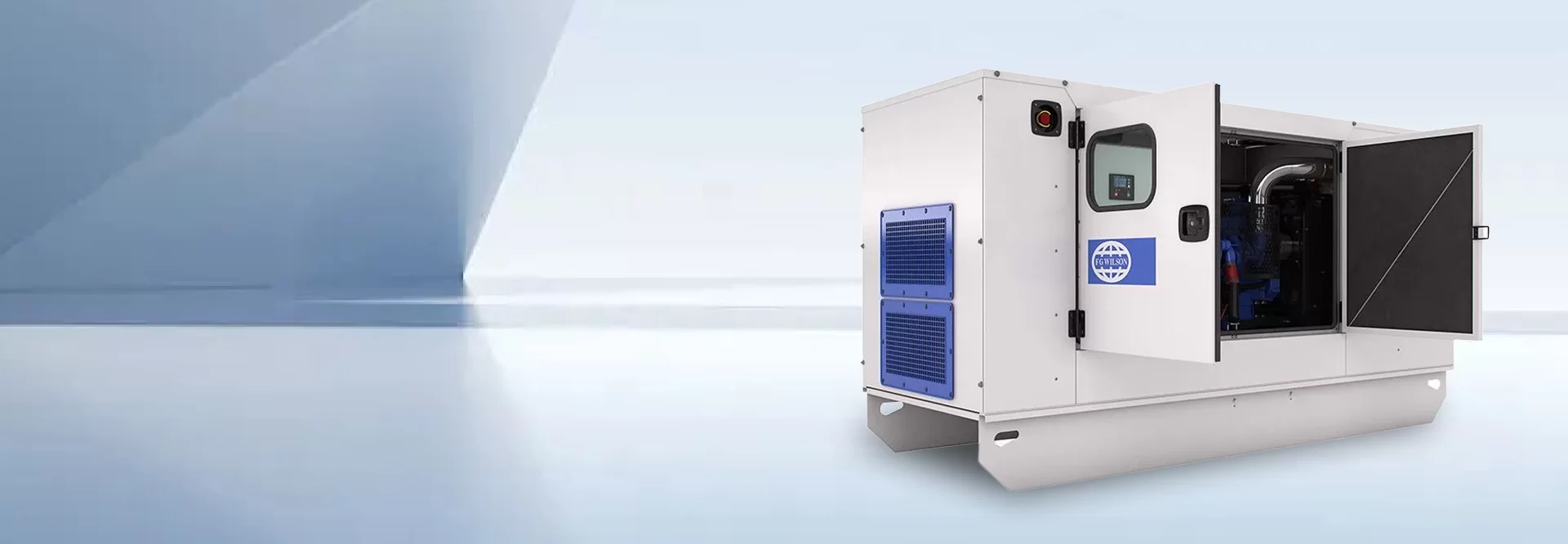

Securing a reliable power source is critical for industrial operations where downtime translates directly into financial loss. A 300kVA diesel system serves as a versatile mid-to-high capacity solution, bridging the gap between small commercial units and massive utility-scale stations. Whether used for emergency backup or primary power in remote areas, selecting the right generator 300kva Supplier ensures that the hardware can handle peak loads while maintaining fuel efficiency.
For sectors such as healthcare, data centers, and manufacturing, the stability of the electrical output is non-negotiable. Voltage fluctuations or failure to start during a grid outage can jeopardize critical infrastructure. This necessitates a deep understanding of not just the kVA rating, but the underlying engine quality, alternator efficiency, and the robustness of the control systems that manage the transition from mains to backup power.
This guide provides a technical and commercial framework for evaluating power solutions. Readers will learn how to assess load requirements, evaluate engine configurations, and identify the specific capabilities a professional provider must possess to deliver a turnkey installation. By focusing on total cost of ownership and operational reliability, businesses can make an informed procurement decision that secures their operational continuity.
Industrial Power Requirements for 300kVA Systems
The 300kVA power bracket is specifically engineered for facilities that require significant energy but do not necessitate a multi-megawatt plant. In the context of diesel power, this capacity is typically utilized by medium-sized factories, large commercial complexes, and telecommunication hubs. The primary technical challenge in this segment is balancing the "prime power" (continuous use) versus "standby power" (emergency use) ratings. A system rated at 300kVA standby may have a lower prime rating, which is a critical distinction that buyers must verify to avoid overloading the engine. Furthermore, the integration of high-capacity alternators is essential to ensure a clean sine wave, protecting sensitive electronics from harmonic distortion. The engineering focus for these units emphasizes rapid start-up capabilities and the ability to accept large block loads without significant frequency drops, ensuring that critical systems remain online during the transition period.
Strategic Procurement and Technical Evaluation
When sourcing high-capacity power equipment, the focus must shift from the initial purchase price to the long-term operational efficiency. A professional generator 300kva Supplier provides more than hardware; they provide a technical integration that accounts for site-specific environmental factors and load profiles.
Capacity Planning and Load Calculation
Accurate load profiling prevents the two most common procurement errors: under-sizing, which leads to system failure, and over-sizing, which causes "wet stacking" due to the engine running at too low a load. For a 300kVA system, buyers should analyze the total connected load and the actual demand load, accounting for the high inrush current of motors and compressors.
| Load Type | Impact on System | Evaluation Metric | Risk Factor |
|---|---|---|---|
| Resistive Loads | Linear power draw | Steady Ampere draw | Low risk |
| Inductive Loads | High start-up current | kVA Surge Capacity | Voltage drop |
| Non-linear Loads | Harmonic distortion | THD Percentage | Overheating |
| Critical Loads | Zero downtime allowed | Transfer speed (ms) | Data loss |
| Variable Loads | Fluctuating demand | Governor response | Frequency instability |
| Peak Loads | Maximum capacity test | Transient response | Engine stall |
Engine Configuration and Efficiency
The core of the unit is the diesel engine. For 300kVA outputs, 6-cylinder configurations are standard, offering a balance of torque and fuel economy. Modern units utilize advanced fuel injection and turbocharging to optimize the combustion cycle. Dianbida Power Equipment focuses on integrating world-class engines that ensure stable power under demanding conditions, reducing the fuel consumption per kWh produced.
Control Systems and Automation
Modern power management relies on digital control panels. Essential features include Automatic Mains Failure (AMF) systems, which detect grid loss and trigger the generator start sequence automatically. Intelligent panels allow for real-time monitoring of voltage, frequency, and fuel levels, providing predictive alerts for oil pressure or coolant temperature to prevent catastrophic failure.
Environmental Adaptability
Operating environments vary from humid tropical coasts to arid deserts. Equipment must be tailored accordingly. This includes custom air filtration systems to block fine sand in desert regions and high-capacity industrial cooling systems for high-ambient temperature zones. Sound-attenuated "silent" canopies are mandatory for urban installations to comply with noise pollution regulations.
Installation and Modular Deployment
To minimize site disruption, modular designs are preferred. Pre-assembled containerized power stations allow for rapid deployment, where the engine, alternator, and control systems are integrated into a single weather-proof enclosure. This reduces on-site assembly time and ensures that factory-level quality control is maintained for all internal wiring and piping.
Maintenance and Lifecycle Value
The total cost of ownership is driven by maintenance intervals and fuel efficiency. Predictive maintenance—using telemetry to track performance—reduces the need for frequent manual inspections. Using premium components extends the operational life of the set, ensuring that the 300kVA output remains stable even after years of service in harsh industrial environments.
Supplier Quality Benchmarks
Evaluating a provider requires looking beyond the catalog. Key benchmarks include the ability to offer customized specifications, a proven track record of 20+ years in manufacturing, and the capacity to provide turnkey solutions. A reliable partner should offer a dedicated team of engineers and quality control specialists to ensure the unit meets international emission and safety certifications.
FAQ
What is the difference between 300kVA prime and standby power?
Standby power is the maximum capacity the unit can provide during a grid failure for a limited time. Prime power is the capacity available for continuous use without a grid. Usually, the prime rating is roughly 10% lower than the standby rating. It is critical to size your equipment based on the intended use to avoid premature engine wear.
Can multiple 300kVA units be connected to increase total power?
Yes, through a process called parallel synchronization. Intelligent control systems allow multiple generators to share the electrical load automatically. This not only increases total capacity but also provides redundancy; if one unit requires maintenance, the others can continue to support the critical load.
How does noise reduction work in urban diesel installations?
Urban units utilize silent container power stations. These integrate the generator inside a soundproof enclosure made of high-density acoustic foam and galvanized steel. These enclosures are designed to attenuate both the mechanical vibration of the engine and the exhaust noise, ensuring compliance with city environmental codes.
What are the primary maintenance requirements for these systems?
Key maintenance includes regular oil and filter changes, coolant level checks, and battery health monitoring. For industrial sets, exercising the generator under load monthly is essential to prevent fuel degradation and "wet stacking." Modern digital panels now offer remote telemetry to alert operators of maintenance needs in real-time.
How do I choose the right alternator for a 300kVA set?
Buyers should look for high-efficiency alternators with a high IP (Ingress Protection) rating to prevent dust and moisture entry. The alternator must be compatible with the engine's RPM and provide stable voltage regulation (AVR) to ensure that the output remains constant regardless of the load fluctuations.
What is the typical lead time for a customized power solution?
While standard 300kVA specifications are often stocked, customized orders—such as those requiring specific environmental filters or parallel systems—typically take between 7 to 10 days for production, depending on the order volume and the complexity of the technical requirements.
References and further reading
- International Electrotechnical Commission (IEC) Standards for Diesel Generator Sets.
- ISO 8528: Reciprocating internal combustion engine driven alternating current generating sets.
- Diesel Engine Fundamentals: Combustion and Efficiency Analysis for Industrial Power.
Related Articles