Selecting a power backup system for heavy-duty operations is rarely about finding the most powerful machine, but rather the most stable one. In industrial settings, where a few seconds of power loss can result in thousands of dollars in lost productivity or compromised safety, the reliability of the energy source becomes the primary operational KPI.
The shift toward intelligent power management is redefining how businesses approach backup electricity. Modern requirements now demand more than just a motor and an alternator; they require environmental adaptability, fuel efficiency, and the ability to integrate with existing smart grids or renewable energy sources.
To navigate this complex landscape, identifying a capable industrial diesel generator Supplier is the first step in ensuring operational continuity. This article examines the technical benchmarks, selection frameworks, and emerging trends that define professional-grade diesel power solutions.


Historically, diesel generators were viewed as "last resort" machines—heavy, noisy units that only ran during total grid failure. However, the rise of decentralized data centers, remote mining operations, and high-precision manufacturing has shifted the generator's role from simple backup to "prime power" in many regions.
Today's industrial demand is characterized by a need for "seamless transition." The goal is no longer just to provide power, but to provide power that is clean (stable voltage) and responsive (rapid start-up), minimizing the risk of equipment damage during the switch-over period.
The performance of an industrial unit is dictated by the synergy between its engine, alternator, and control system. For instance, a 12-cylinder configuration is typically reserved for high-kVA requirements (up to 2500 kVA), where torque stability is paramount. The integration of Automatic Voltage Regulation (AVR) ensures that the output remains constant despite fluctuating loads, which is critical for sensitive electronic equipment.
Cooling systems represent another engineering pivot. In tropical or desert climates, standard radiators are insufficient. Tropicalized cooling systems and high-capacity radiators are employed to prevent thermal derating, allowing the machine to maintain full rated output even when ambient temperatures exceed 45°C.
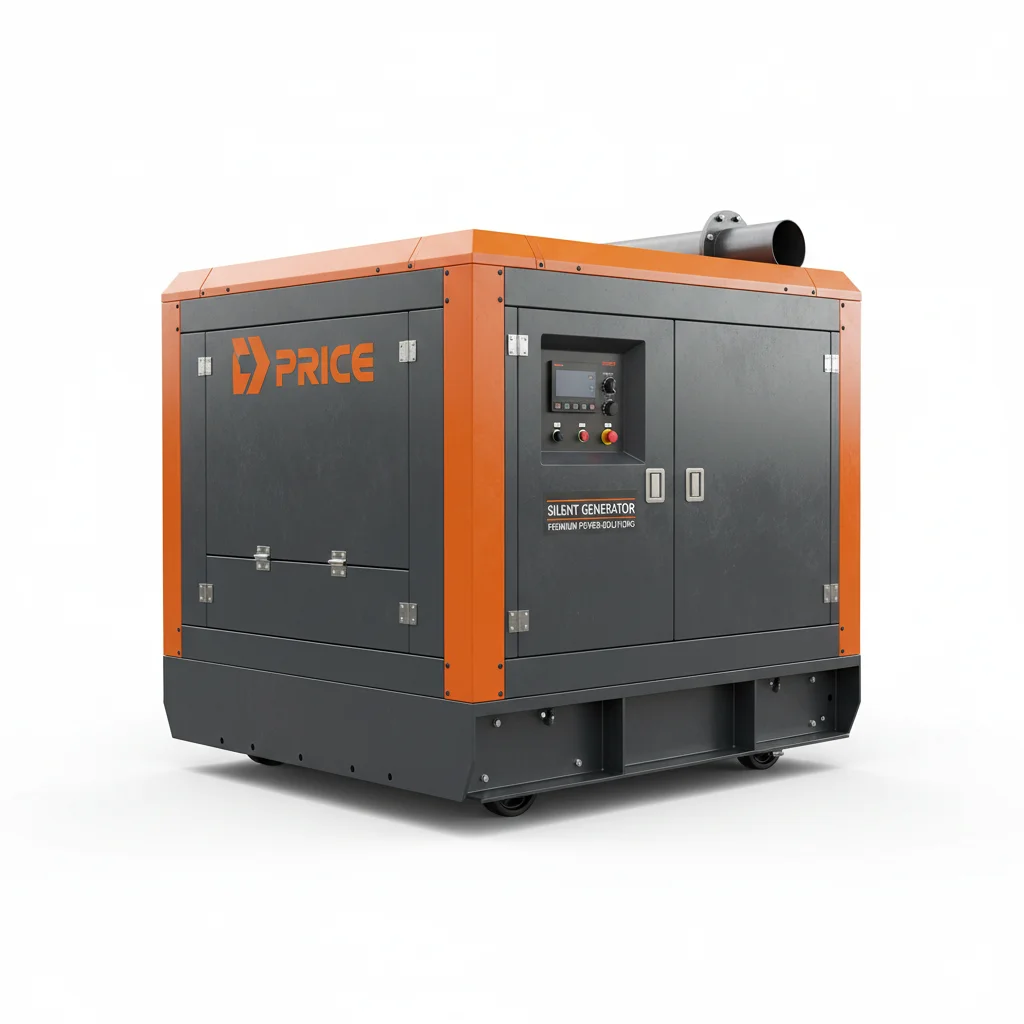
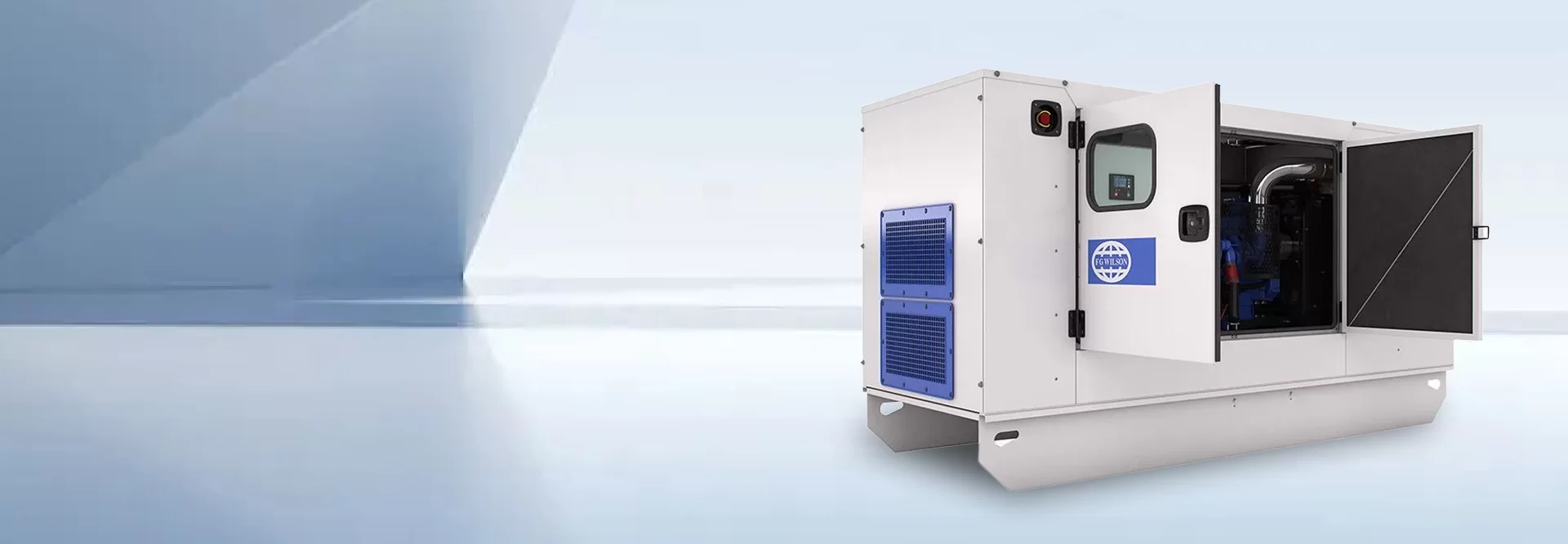
Furthermore, the enclosure design has evolved from simple metal boxes to sound-attenuated, containerized systems. These silent enclosures not only comply with urban noise ordinances but also provide a controlled environment that protects internal components from dust and corrosive elements, extending the overall lifecycle of the equipment.
Many procurement errors stem from underestimating the "starting load" versus the "running load." When large industrial motors start, they can draw several times their rated current, leading to voltage dips that cause other equipment to trip.
True operational stability is achieved when the generator's prime power rating accounts for peak transient loads, rather than just the average consumption of the facility.
Another frequent oversight is the neglect of fuel system logistics. In remote areas, the quality of stored diesel can degrade, leading to injector clogging. Professional solutions now integrate advanced filtration and fuel polishing systems to ensure that the engine starts reliably after months of standby.
Efficiency in diesel power is measured by the balance between fuel consumption and power output. Intelligent parallelism—where multiple units distribute the load automatically—allows a facility to run only the number of generators needed for the current load, drastically reducing fuel waste and engine wear.
When comparing standard systems to smart-integrated solutions, the difference is most visible in the Total Cost of Ownership (TCO). Predictive maintenance, powered by remote diagnostics, shifts the maintenance cycle from reactive (fixing what is broken) to proactive (replacing parts before they fail).
The requirements for a diesel generator vary wildly by geography. In a Middle Eastern construction site, the priority is "anti-dust" engineering—heavy-duty air filters and reinforced enclosures that prevent sand infiltration. Conversely, in a Southeast Asian island resort, the focus shifts to "corrosion resistance" and the ability to synchronize with solar PV arrays to create a sustainable microgrid.
For urban environments, such as hospitals or data centers, the primary constraint is noise and emissions. Silent containerized power stations are the standard here, integrating the engine and cooling systems into a single soundproof unit that ensures compliance with municipal regulations without sacrificing the power density required for critical backup.
The industry is moving away from diesel-only reliance. The most advanced implementations now use diesel generators as a "balancing" source within a hybrid energy system. By pairing a diesel unit with solar panels and battery storage, operators can use renewables during peak sun hours and trigger the generator only when storage is depleted or load spikes occur.
This transition requires sophisticated AMF (Automatic Mains Failure) panels and intelligent controllers capable of millisecond-level synchronization. When the generator enters the grid, it must match the phase and frequency of the existing power source to avoid catastrophic equipment failure.
As emission standards tighten globally, the role of the diesel generator is evolving into a "guarantor of stability." It provides the necessary inertia and reliability that intermittent renewables cannot yet offer, ensuring that critical infrastructure remains online 24/7 regardless of weather conditions.
Selecting an industrial diesel generator Supplier should be based on technical capability rather than just unit price. A low initial cost often masks high operational expenses (OpEx) due to inefficient fuel consumption or frequent reactive maintenance.
Buyers should evaluate the supplier's ability to provide turnkey solutions—including the generator, fuel storage, cooling infrastructure, and remote monitoring systems. The lead time for custom specifications (typically 7-10 days for standard industrial sizes) also indicates the supplier's production efficiency and supply chain stability.
Ultimately, the value of a power partner is proven during the first failure of the primary grid. The ability to provide rapid start-up, stable output under extreme loads, and multilingual support for local operators is what separates a mere equipment vendor from a strategic power partner.
| Evaluation Factor | Standard Generators | Smart-Integrated Systems | Operational Impact |
|---|---|---|---|
| Fuel Consumption | High / Unoptimized | Low / Intelligent Control | Direct OpEx Reduction |
| Maintenance Cycle | Frequent / Reactive | Extended / Predictive | Increased Asset Lifespan |
| Environmental Fit | General Purpose | Specialized (Heat/Dust) | Reduced Downtime in Extremes |
| Operational Uptime | Standard Backup | Critical 24/7 Continuity | Risk Mitigation for Data |
| Control Interface | Analog/Basic Digital | Cloud-Based Remote | Faster Fault Diagnosis |
| Energy Sync | Standalone Only | Hybrid Solar Compatible | Lower Carbon Footprint |
Standby power is designed for emergency use during a utility outage, usually with limited run hours. Prime power refers to a generator that acts as the main source of electricity, capable of running indefinitely with appropriate maintenance. When choosing a supplier, ensure the unit's rating matches your intended use, as prime-rated engines are built for higher duty cycles and continuous load.
You must calculate the total running load (sum of all equipment) and add the "starting current" (inrush current) of the largest motor. Using a simple average leads to voltage drops. A professional assessment typically involves analyzing the load profile and adding a 20% safety margin to ensure the generator operates within its optimal efficiency window (usually 60-80% load).
Yes, but they require specific modifications. Tropicalized versions feature high-capacity radiators and heavy-duty anti-dust enclosures with specialized air filtration systems. These prevent overheating and stop sand from entering the combustion chamber, which is critical for maintaining reliability in regions like the Middle East or Northern Africa.
Parallelism allows multiple units to share the electrical load. This provides redundancy (if one unit fails, others keep the site powered) and efficiency (you only run the units needed for the current load, reducing fuel consumption). It also allows for staggered maintenance without shutting down the entire operation.
A well-engineered silent enclosure uses acoustic foam and airflow baffles to reduce noise without restricting ventilation. If poorly designed, it can cause overheating. High-quality enclosures from professional suppliers ensure a balance between sound attenuation and thermal management, making them suitable for urban areas near hospitals or residential zones.
Absolutely. This is the basis of a hybrid microgrid. The diesel generator acts as the "firm" power source that fills the gaps when solar production drops. This requires a sophisticated controller to manage the transition between the PV system and the diesel engine, significantly reducing overall fuel costs and carbon emissions.
The transition from basic power backup to intelligent energy management is a necessity for modern industrial operations. Whether powering a remote data center or a city-center hospital, the goal remains the same: absolute continuity. The technical gap between a standard generator and a professionally engineered system is found in the details—the AVR stability, the cooling efficiency, and the intelligence of the control panel.
Investing in a system that prioritizes long-term TCO over initial purchase price is the only way to secure operational stability. By aligning technical specifications with specific environmental challenges, businesses can ensure that their power infrastructure is not just a safety net, but a competitive advantage.