

Reliable power generation is the lifeline of any maritime operation, from small commercial vessels to complex ship engineering projects. Choosing a qualified marine diesel generator Supplier is not merely a procurement task but a strategic decision that impacts vessel safety, operational uptime, and long-term fuel expenditures. This guide explores the technical nuances of marine-grade power systems and how to evaluate providers based on engineering rigor and product durability.
The maritime environment presents unique challenges—extreme humidity, saline corrosion, and fluctuating load demands—that standard industrial generators cannot withstand. Effective power solutions must integrate high-performance diesel engines with robust alternators and intelligent control systems to ensure that critical navigation, communication, and propulsion support systems remain active under the most demanding sea conditions. Understanding these requirements is essential for project managers and technical officers.
In the following analysis, we will break down the essential selection criteria for marine power units, analyze the role of Automatic Voltage Regulation (AVR), and discuss the importance of modular design for ease of maintenance. By aligning technical specifications with operational needs, buyers can secure energy systems that offer a balance of fuel economy, low noise emissions, and prolonged service life.
Marine Power Generation Fundamentals
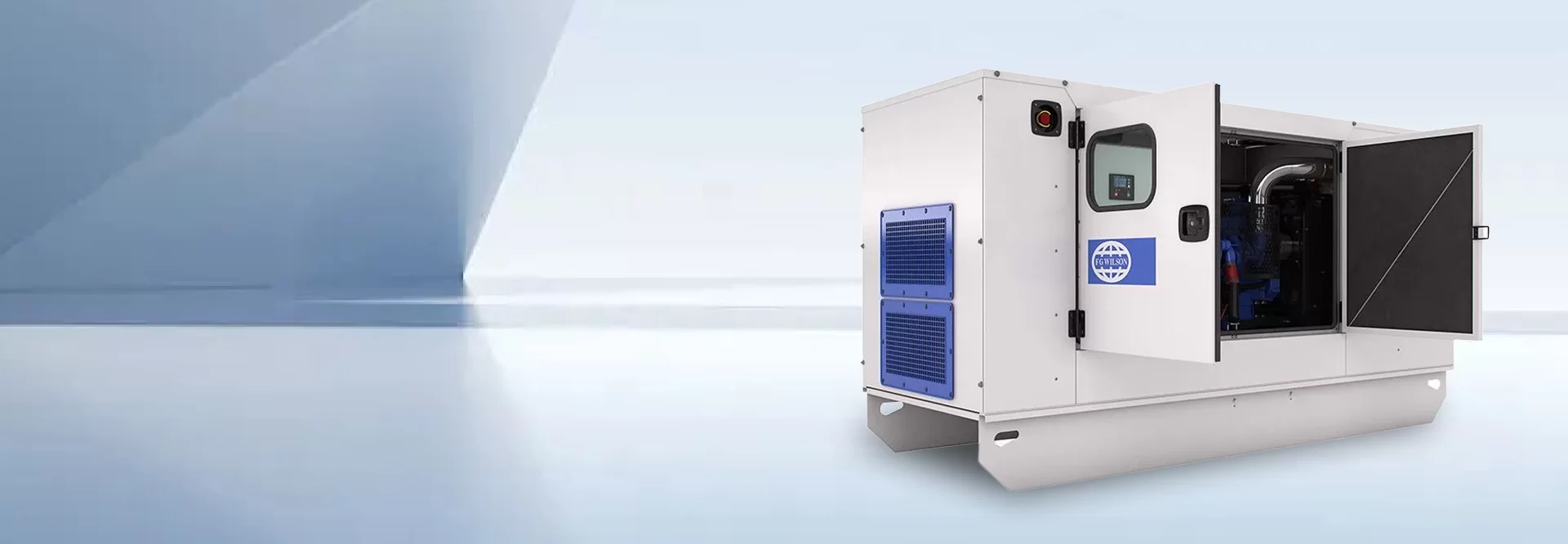
Marine diesel generators are specialized internal combustion systems designed to convert chemical energy from diesel fuel into electrical energy for onboard use. Unlike land-based units, these systems must operate within the constrained spatial layouts of a ship's engine room and withstand the constant motion of the vessel. The core mechanism involves a diesel engine coupled with an alternator; the engine provides the mechanical rotation, while the alternator generates the alternating current (AC) required for the ship's electrical grid. For a deeper dive into the general principles of these systems, referring to the marine diesel generator Supplier technical overview provides a strong foundation in nautical engineering. Key considerations for these systems include the "prime power" rating for continuous operation and "standby" rating for emergency backup, ensuring that the vessel never loses essential power during critical maneuvers or in remote offshore locations.
Strategic Sourcing for Marine Diesel Systems
Procuring a power system for maritime use requires a shift from looking at "price per unit" to "total cost of ownership." A high-quality system reduces downtime and fuel waste, which are the primary cost drivers in ship operations. To make an informed decision, buyers must evaluate the intersection of engine performance, electrical stability, and environmental resilience.
Critical Selection Criteria
When evaluating a provider, the focus should be on the capability to match the generator's kVA output with the vessel's peak load and starting currents. For instance, a 10kW unit may be sufficient for light industrial or residential-style backup on a small craft, but larger vessels require multi-cylinder configurations. Buyers should verify the use of superior components and rigorous testing protocols to ensure the unit can handle sudden load changes from pumps or compressors without frequency drops.
| Evaluation Factor | Technical Requirement | Risk of Failure | Buyer's Key Question |
|---|---|---|---|
| Load Stability | AVR Integration | Voltage Spikes | How does the system handle sudden load peaks? |
| Corrosion Resistance | Weather-resistant Enclosure | Structural Degradation | What materials are used for the external frame? |
| Fuel Efficiency | Optimized Combustion | High Operational Cost | What is the fuel consumption at 75% load? |
| Noise Level | Soundproof Canopy | Crew Fatigue/Regulations | Does it meet maritime noise standards? |
| Maintenance Access | Modular Design | Extended Downtime | Are key filters and plugs easily accessible? |
| Control System | Real-time Digital Monitoring | Undetected Engine Failure | Which parameters are monitored automatically? |
Engineered for Saline Environments
Salt spray and high humidity accelerate the oxidation of metallic components. Professional maritime power solutions utilize reinforced steel frames and specialized coatings to prevent corrosion. The enclosure must be weather-resistant and dust-proof, ensuring that the internal combustion components remain isolated from the harsh external atmosphere, which is critical for extending the lifespan of the unit in offshore environments.
Fuel Efficiency and Combustion
Operational costs in the marine sector are heavily influenced by fuel consumption. Modern diesel generators employ optimized combustion systems that maximize the energy extracted from every drop of fuel. This is achieved through precision engineering of the fuel injection system, which ensures a complete burn and reduces exhaust emissions, aligning the vessel with modern environmental standards while lowering the logistics burden of fuel storage.
Voltage Stability and AVR Systems
Sensitive marine electronics, such as GPS, sonar, and communication arrays, are vulnerable to voltage fluctuations. The inclusion of an Automatic Voltage Regulation (AVR) system is non-negotiable. AVR maintains a constant output voltage regardless of the load change, protecting delicate circuitry from surges and ensuring that the frequency remains stable, which is essential for the synchronization of parallel power systems.
Noise Mitigation in Maritime Spaces
Engine rooms are often confined, and excessive noise can lead to mechanical vibration and personnel stress. Soundproof canopy designs incorporate acoustic foam and vibration-damping mounts to significantly reduce the decibel output. This not only improves the working environment for the crew but also prevents the transmission of structural noise through the vessel's hull.
Lifecycle Maintenance Protocols
Downtime at sea can be catastrophic. A modular design allows for the rapid replacement of filters, oil, and belts without dismantling the entire unit. Routine maintenance, typically performed every 200–250 operating hours, is the only way to ensure the longevity of the diesel engine. Providers that offer clear maintenance schedules and readily available spare parts reduce the operational risk for the vessel owner.
Integration and Customization
No two vessels are identical. The ability to provide tailored, turnkey solutions—ranging from standard silent canopies to advanced parallel systems—is a hallmark of a capable manufacturer. Whether the requirement is for a compact 10kW unit for light backup or a high-capacity multi-cylinder system for industrial ship engineering, customization of the control panel and enclosure ensures the equipment fits the specific spatial and electrical constraints of the ship.
FAQ
What are the primary uses of a marine diesel generator?
These generators provide essential electricity for vessel navigation, lighting, communication equipment, and auxiliary machinery. They are used both as prime power sources for off-grid operation and as emergency backup systems to ensure safety during primary power failures in maritime environments.
How does an AVR system benefit marine electrical grids?
Automatic Voltage Regulation (AVR) ensures that the voltage output remains constant despite changes in the electrical load. This is critical in marine settings to protect sensitive electronic equipment from surges and fluctuations that could lead to hardware failure or data loss in navigation systems.
Which factors most affect the lifespan of a marine generator?
The primary factors include the quality of the enclosure's corrosion resistance, the regularity of oil and filter changes (typically every 200-250 hours), and the stability of the load it supports. Proper ventilation and protection from salt spray are also vital for preventing premature engine wear.
Can a small 10kW generator be used for continuous industrial marine power?
A 10kW unit is generally designed for residential-scale backup or light commercial use. While it can run for extended periods if properly maintained, continuous heavy-duty industrial loads require larger, multi-cylinder sets engineered specifically for prime power applications to avoid engine overheating and premature failure.
How should I evaluate a potential power system provider?
Evaluate them based on their manufacturing experience (e.g., 20+ years), the technical expertise of their engineering team, the quality of their components, and their ability to provide turnkey, customized solutions. Check for rigorous testing certifications and the availability of a robust technical support structure.
What is the importance of soundproof canopies in maritime use?
Soundproof canopies reduce operating noise and mechanical vibration. In the confined spaces of a ship, this is essential for crew health and safety, compliance with noise regulations, and reducing the risk of structural fatigue caused by constant high-frequency vibrations.
References and further reading
- Marine Engineering Principles: Diesel Power Generation and Alternator Synchronization.
- Maritime Environmental Standards: Exhaust Emission Regulations for Commercial Vessels.
- International Standards for Marine Electrical Installations and Voltage Regulation.
Related Articles


