The global demand for mission-critical power has shifted toward highly integrated, silent diesel solutions that can withstand extreme environmental volatility. As industrial operations expand into remote regions with unstable grid infrastructure, the role of a professional full boar generator Supplier has evolved from providing simple hardware to delivering comprehensive energy security architectures.
For EPC contractors and data center operators, the challenge lies in balancing acoustic emission regulations with the need for high-density power output. The technical difficulty involves integrating thermal management, sound attenuation, and intelligent paralleling control into a modular footprint without compromising fuel efficiency or engine longevity.
This analysis examines the engineering requirements for modern diesel power stations, focusing on the transition toward intelligent, containerized systems. By evaluating performance metrics and deployment strategies, we provide a framework for selecting a full boar generator Supplier that aligns with stringent international compliance and operational uptime goals.


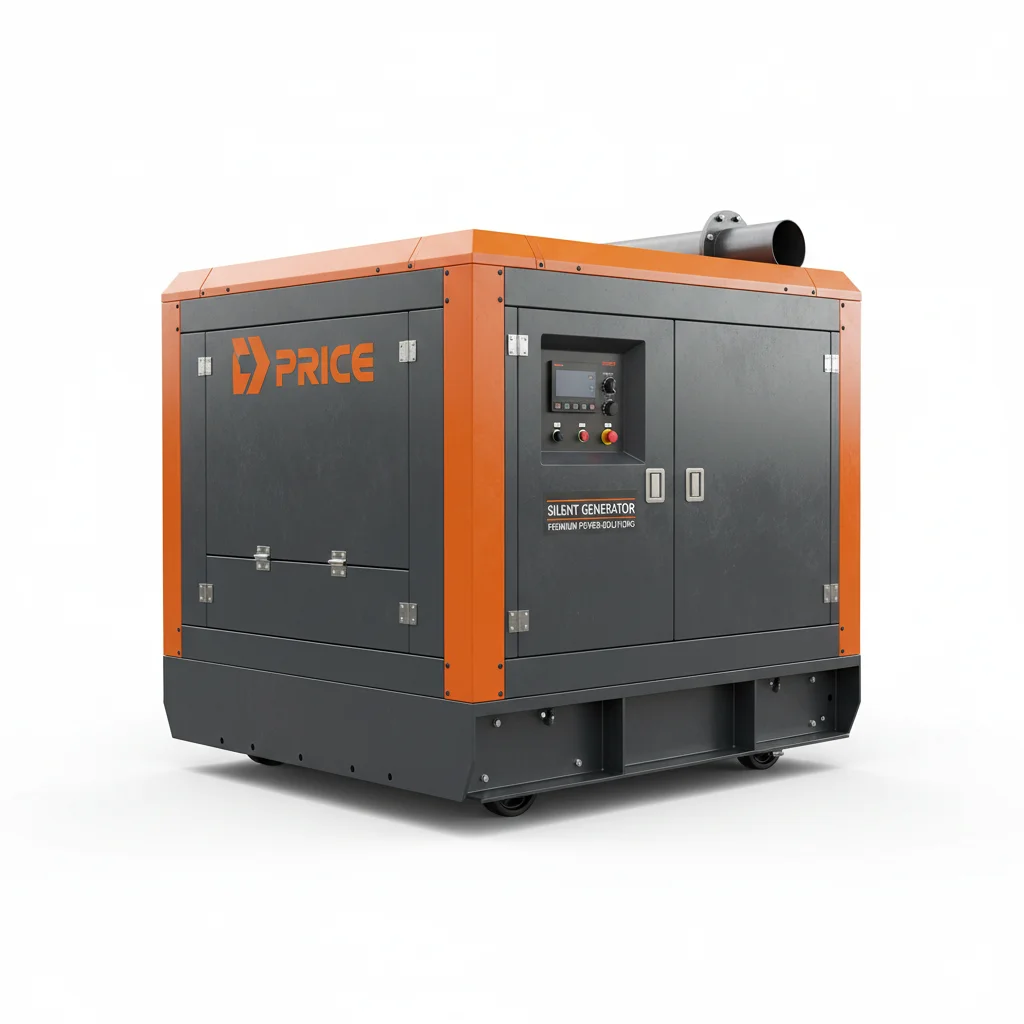
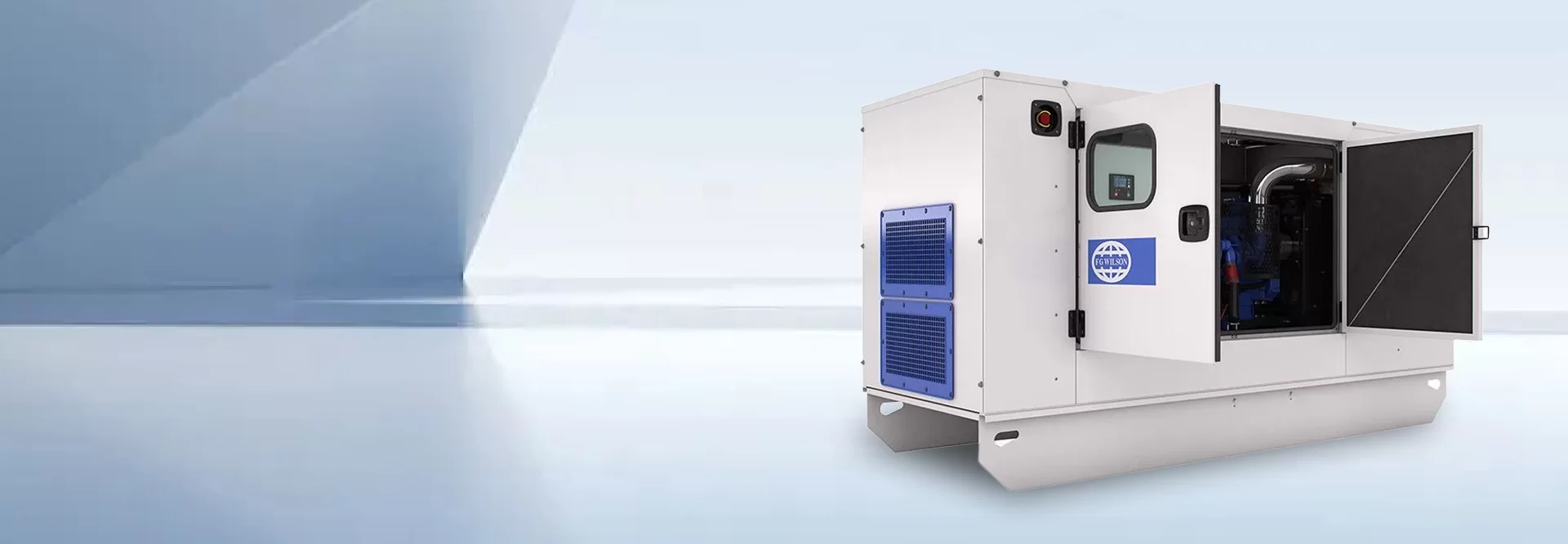
Modern power stations utilize a modular architecture where the diesel engine, alternator, and control system are housed within a sound-attenuated, weatherproof container. This approach allows for rapid deployment and ensures that internal components are protected from external contaminants.
The integration of a high-capacity fuel tank and an advanced thermal management system within the same enclosure reduces the footprint and simplifies the installation process for B2B clients in the telecommunications and healthcare sectors.
When evaluating power capacity, the distinction between Prime Power and Standby Power is vital. For a typical 50kVA unit, the engine must maintain voltage stability under transient loads to prevent damage to sensitive server equipment in data centers.
Engineering focuses on the use of premium copper-wire alternators and structural-grade steel bases. These materials ensure that the unit can handle rapid start-up sequences and maintain immaculate voltage stability during the split-second transition from grid to generator power.
Compliance with ISO and CE standards is not merely a legal requirement but a benchmark for safety and efficiency. These certifications validate that the machinery meets global acoustic emission and safety-rated protocols, reducing the risk of operational failure in urban environments.
For large-scale operations, a single generator is often insufficient. Intelligent paralleling allows multiple units to operate as a single power source, providing N+1 redundancy and improving overall system reliability.
This capability is particularly critical for off-grid microgrids in luxury resorts or mining sites, where generators may cycle on and off based on peak loads or the output of integrated solar photovoltaic arrays.
Reliability in diesel generation is measured by the system's ability to maintain uptime under varying ambient conditions. Factors such as dual-stage air filtration and oversized radiators are essential for units deployed in arid or dusty regions.
By analyzing normalized engineering ratings, procurement managers can assess how different configurations perform across key metrics including start-up speed, fuel economy, and acoustic attenuation.
In regions like the Middle East or Africa, generators face extreme heat and sandstorms. To counter this, specialized dust-resistant enclosures and IP-rated weatherproof housings are employed. The use of dual-stage air filtration is mandatory to prevent particulate matter from entering the combustion chamber, which would otherwise lead to premature engine wear.
Furthermore, remote telematics systems allow technical teams to perform real-time diagnostics and predictive maintenance from a central hub. This reduces the need for frequent on-site visits and ensures that any fault is detected before it results in critical downtime.
The industry is moving toward electronic governing and advanced fuel injection systems to optimize the combustion cycle. This technology significantly reduces the carbon footprint of each unit while simultaneously mitigating operational OPEX through lower fuel consumption.
Future trends indicate a stronger integration of hybrid systems, where diesel generation acts as a baseload for renewable energy arrays. This transition requires controllers that can seamlessly switch between power sources based on real-time energy pricing and availability.
As urban acoustic regulations become more stringent, the development of high-performance sound-attenuated canopies is a primary focus. These enclosures utilize multi-layered absorbing materials to ensure that noise levels remain within legal limits even during full-load operation.
Procurement managers must evaluate generators based on the specific requirements of their application. A data center requires uncompromising reliability and rapid ATS transition, while an agricultural operation prioritizes durability and low maintenance overhead.
The selection process should move beyond price per kVA and instead look at the total lifecycle cost, including fuel efficiency, lead times for spare parts, and the quality of technical documentation provided by the supplier.
The following matrix provides a framework for comparing different configuration profiles to determine the optimal fit for various industrial scenarios.
| Configuration Profile | Core Focus | Performance Factor | Recommended Use Case |
|---|---|---|---|
| Basic Standard | Cost Efficiency | Standard Duty | Rural Irrigation / Small Agri |
| Silent Canopy | Acoustic Control | Low Noise Emission | Urban Offices / Hospitals |
| High-Duty Industrial | Continuous Load | Thermal Stability | Mining / Manufacturing |
| Critical Backup | Uptime Security | Fast Start-up / ATS | Data Centers / Telecom |
| Modular Parallel | Scalability | N+1 Redundancy | Infrastructure Projects |
| Hybrid Microgrid | Sustainability | Renewable Integration | Remote Island Resorts |
CE certification ensures that the generator meets European Union safety, health, and environmental protection requirements. For B2B buyers, this reduces the risk of regulatory non-compliance and ensures that the equipment is safe for operation in diverse global markets. It specifically validates that the machinery has undergone rigorous testing for electrical safety and acoustic emissions, providing a baseline of quality that simplifies the auditing process for EPC contractors.
Automatic paralleling allows multiple generator units to share the load dynamically. Instead of running one large generator at low efficiency, the system can activate only the number of units required for the current load. This optimizes the combustion cycle of each engine, significantly reducing fuel consumption and extending the service interval of the machinery, which lowers the overall operational expenditure (OPEX) and total cost of ownership.
In arid environments, the primary technical risks are overheating and particulate ingestion. Engineering solutions include oversized cooling radiators to handle higher ambient temperatures and dual-stage air filtration systems to protect the engine from sand and dust. Additionally, IP-rated enclosures are necessary to prevent fine dust from entering electrical control panels, which could otherwise cause short circuits or control failures.
For standardized specifications, units are typically ready for immediate dispatch. However, for customized OEM orders—such as specific voltage requirements, modified canopies, or integrated telematics—the manufacturing process generally takes between 7 to 10 working days. This timeframe assumes raw materials are in stock and the technical specifications have been finalized. Total delivery time will vary based on the final port of discharge and logistics method.
Voltage stability is achieved through the use of high-precision electronic governing and premium copper-wire alternators. These components ensure that the alternator maintains a constant output frequency and voltage even during sudden load changes. Additionally, the inclusion of Automatic Transfer Switches (ATS) ensures a seamless transition from the utility grid to the generator, minimizing the risk of power surges or dips that could damage servers or medical equipment.
Yes, diesel generators are frequently used as the baseload or backup source in hybrid microgrids. Intelligent controllers manage the energy flow, allowing the generator to cycle on only during peak loads or periods of low solar yield. This integration is particularly effective for off-grid locations, as it balances the reliability of diesel power with the cost-savings and environmental benefits of renewable energy.
The transition toward modular, intelligent power systems marks a significant shift in how industrial energy security is managed. By prioritizing technical specifications such as intelligent paralleling, thermal resilience, and acoustic attenuation, enterprises can ensure uninterrupted operations regardless of grid stability.
Ultimately, the value of a full boar generator Supplier is measured by the ability to translate engineering requirements into long-term operational reliability. Selecting a partner with deep manufacturing experience and a commitment to global compliance is the most effective way to secure critical infrastructure against power volatility.